
Thermal Management & Heat Transfer
Environmental Thermal Analysis
Optimize Reliability Across Extreme Environmental Conditions
Predicting how a system interacts with the natural world requires more than just calculating heat – it requires simulating the transient conditions that occur. TAITherm provides engineers with the high-fidelity simulation tools necessary to model solar loading, transient weather patterns, and complex surface-to-sky radiation.
From defense vehicles idling in desert heat to high-rise glass structures in urban microclimates, our software ensures that your designs are optimized for reliability, efficiency, and human comfort long before a physical prototype ever faces the elements.

How It Works:
The Physics of Exposure
Our solver utilizes a multi-layered approach to simulate the environment. At its core is a transient thermal solver that integrates the three primary modes of heat transfer: conduction, convection and radiation. Model any weather condition anywhere in the world by importing weather files.
Unlike simplified steady-state tools, our technology accounts for:

Spectral Solar Modeling
We calculate direct, diffuse, and reflected solar radiation based on geographic coordinates and time of day.

Long-wave Sky Radiation
The software utilizes a sophisticated “sky model” to calculate the radiative exchange between a surface and the atmosphere, accounting for cloud cover, ground air temperature and humidity.

Wind Convection
High-order emperical correlations account for air temperature and wind speed to calculate heat transfer coefficients.
Engineering Without Compromise
By integrating ThermoAnalytics into your design workflow, you transform thermal management from a reactive fix into a competitive advantage.
Vehicle Thermal Management
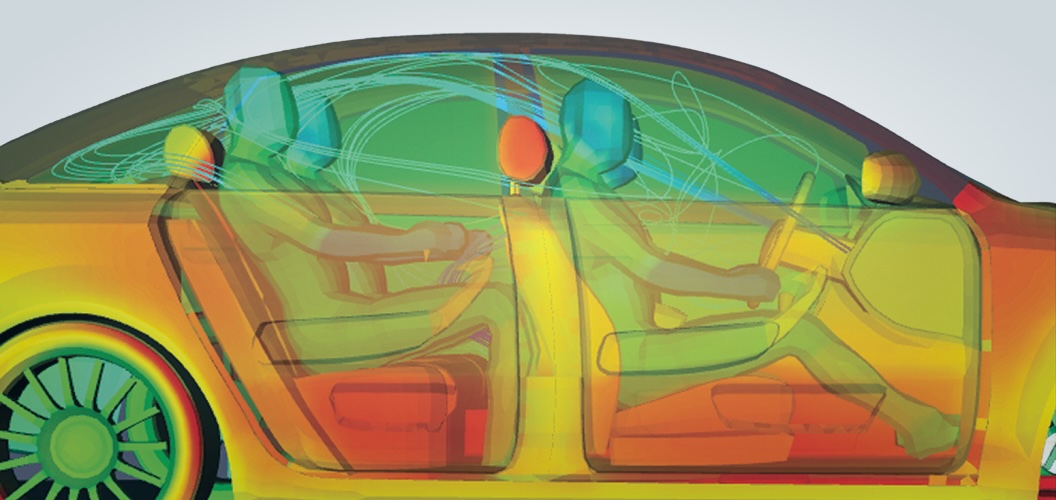
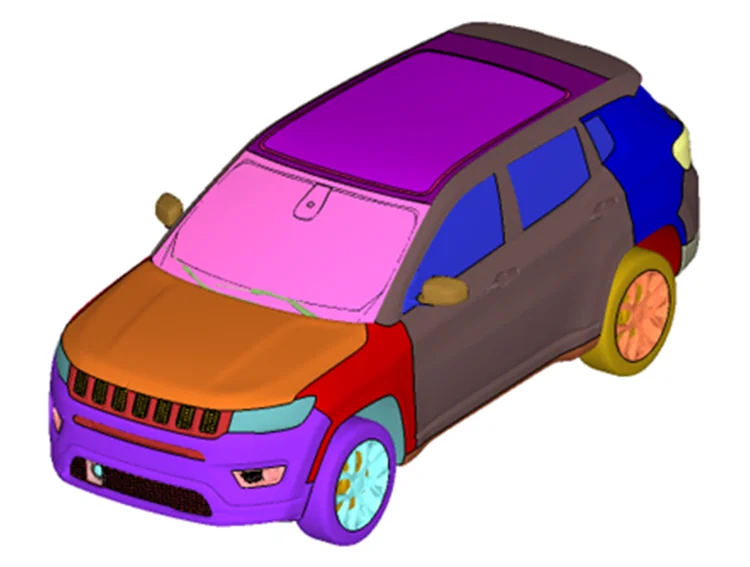
In the automotive and defense sectors, environmental analysis is critical for soak and drive cycles. Account for worst case conditions by modeling a parked vehicle in peak solar conditions. Simulation models allow engineers to analyze component degradation and provide realistic starting points for cool-down models. This allows engineers to then optimize HVAC system parameters and improve occupant time-to comfort.
Architecture and Urban Heat Islands
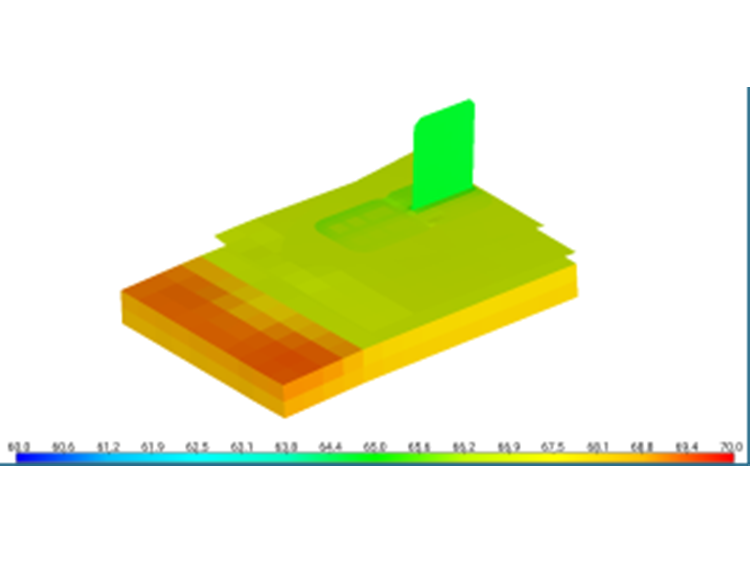
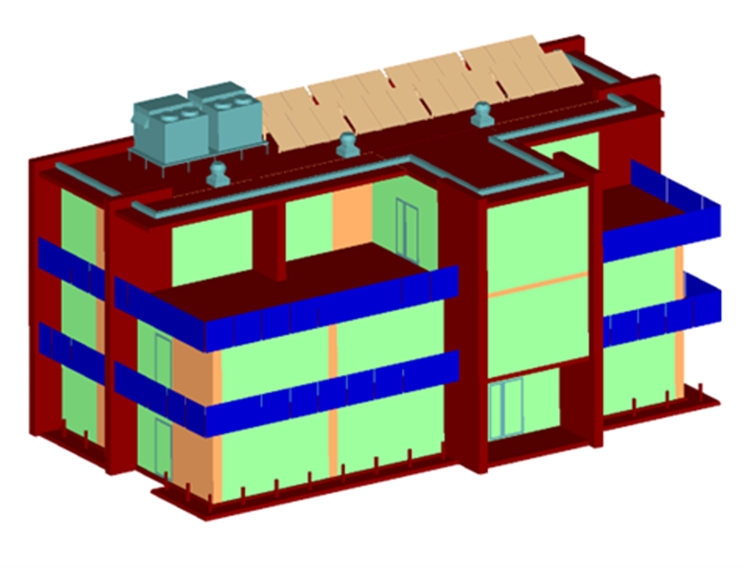
Our software analyzes how buildings interact with their surroundings. By modeling the thermal mass of concrete and the reflective properties of glass, we predict the Urban Heat Island (UHI) effect. Architects use this data to select materials that minimize cooling loads and to design outdoor spaces that remain habitable during heatwaves.
Battery & Electronics Enclosures
Outdoor electronics—from 5G base stations to Grid Energy Storage Systems (BESS)—face the double threat of internal heat generation and external solar loading. Our analysis identifies localized hot spots caused by solar “chimneys” and helps design passive or active cooling systems that prevent thermal runaway and extend hardware lifespan.