

High-Fidelity EO/IR Simulation for Defense and Aerospace
Bridge the gap between physical temperature and spectral radiance with MuSES.
Capture Environmental Effects on Infrared Signatures
MuSES (Multi-Service Electro-optic Signature) is the industry-standard software for predicting the thermal and multi-spectral infrared (IR) signatures of vehicles, aircraft, and buildings. Developed for both defense and commercial applications, MuSES combines high-fidelity thermal simulation with advanced electro-optical physics. It allows engineers to model how an object appears to infrared sensors by accounting for internal heat sources, complex environmental reflections, and atmospheric conditions.
What sets MuSES apart is its ability to simulate transient thermal behavior in tandem with BRDF-based (Bidirectional Reflectance Distribution Function) surface physics. This ensures that the generated signatures are physically accurate across the entire IR spectrum (EO/IR). Whether used for stealth optimization, sensor performance testing, or synthetic data generation for machine learning, MuSES provides the mission-critical data needed to manage an asset’s thermal visibility and survivability.

Reduce Expensive Field Testing
Identify signature vulnerabilities early in the design phase and reduce the number of physical trials required for final certification.

Enhance Mission Survivability
Manage and reduce an asset’s thermal footprint against specific sensor threats, ensuring that your designs meet the most rigorous stealth requirements.

Accelerate AI & Sensor Development
Generate thousands of physically accurate synthetic images to train AI models for automatic target recognition.

Global Environmental Certainty
Ensure your design meets performance specifications regardless of the environment in which it is deployed.
Advanced Capabilities for
Complex Thermal Systems
Multi-Spectral Signature Prediction
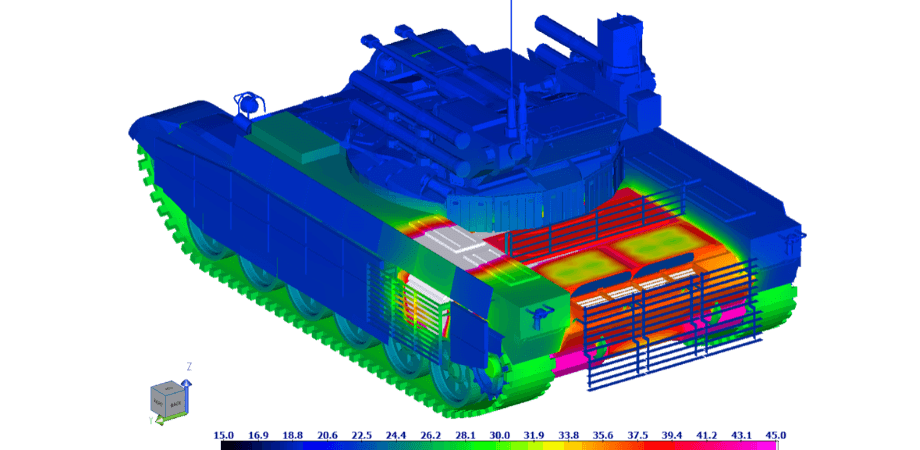
MuSES moves beyond standard thermal mapping by calculating the exact spectral radiance of an object. By integrating the Bidirectional Reflectance Distribution Function (BRDF), the software accounts for how different materials reflect light from the sun, the sky, and the surrounding terrain. This allows engineers to predict not just the physical temperature, but the “apparent temperature” seen by a sensor, which includes the complex effects of surface texture, paint gloss, and material emissivity.
EO/IR Spectrum Coverage
Supports signatures in the Visible, Near-IR (NIR), Short-Wave (SWIR), Mid-Wave (MWIR), and Long-Wave (LWIR) bands.
Surface Radiance Modeling
Calculates the total energy emitted and reflected from a surface toward a specific observer or sensor.
Apparent Temperature Analysis
Converts radiance data into apparent temperature, reflecting how a sensor “sees” an object versus its physical temperature.
BRDF Material Properties
Utilizes advanced surface reflectance models to account for gloss, texture, and directional light scattering.
Dynamic Environmental Modeling
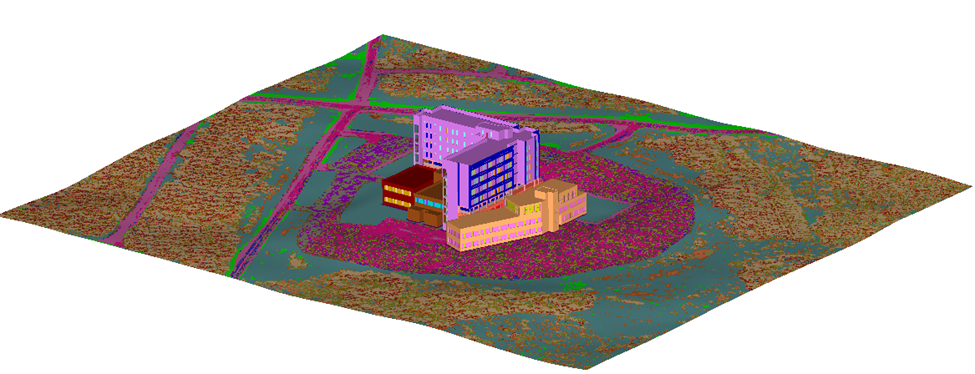
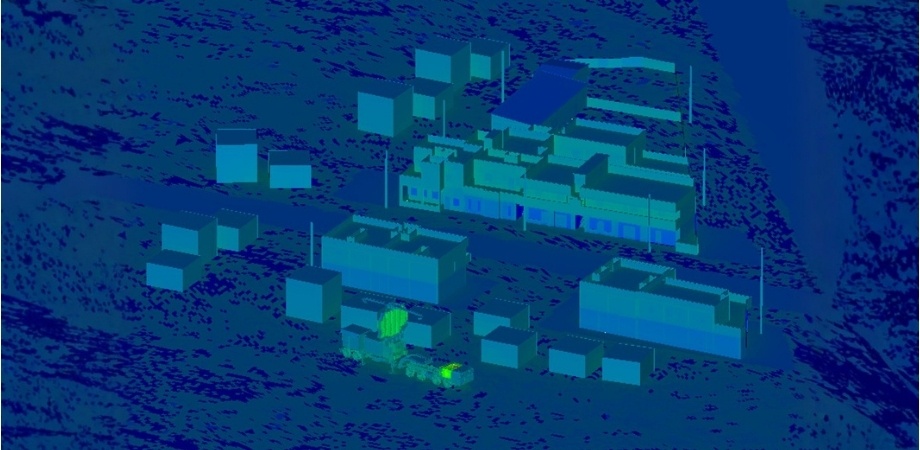
A vehicle’s signature is inseparable from its environment. MuSES features a comprehensive global environment engine that simulates the heat exchange between the target and its surroundings. It accounts for solar position, cloud cover, and atmospheric attenuation, as well as the thermal properties of the terrain (soil moisture, vegetation, etc.). This ensures that simulations of a desert at noon or a forest at midnight are physically grounded and mission-accurate.
Global Weather Database
Imports hourly weather data including air temperature, humidity, wind speed, and cloud cover.
Solar Geometry Solver
Automatically calculates solar loading and shadows based on date, time, and geographic coordinates.
Multi-Layer Terrain Effects
Models heat exchange with the ground, including effects from soil moisture, vegetation, and snow cover.
Atmospheric Path Effects
MODTRAN is integrated with MuSES to account for signal attenuation and path radiance between the target and the sensor.
Plume and Exhaust Integration
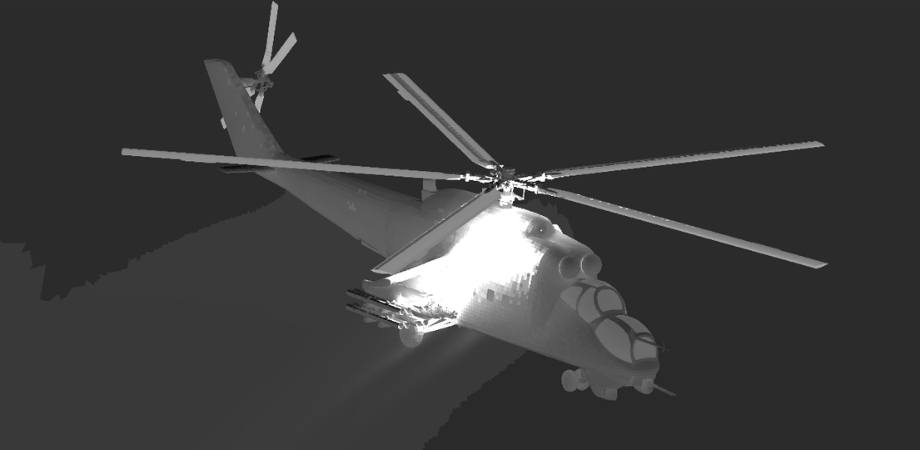
For high-performance assets like jet aircraft or heavy ground vehicles, internal heat sources and exhaust plumes are the primary contributors to the IR signature. MuSES allows for the seamless import of 3D CFD data to model the volume of hot gases. It specifically calculates the “internal glow” of exhaust ducts and the resulting reflections on the airframe, which are often the most detectable features for heat-seeking sensors.
Exhaust Plume Mapping
Imports CFD data to represent the 3D temperature and species concentration of engine exhaust gases.
Hidden Heat Source Detection
Models the “internal glow” of tailpipes and nozzles and how that energy reflects off external structures.
Steady-State & Transient Sources
Handles constant heat loads or varying duty cycles for realistic mission-based simulations.
Cooling System Impact
Predicts how active cooling measures, such as air-cooled cowlings, reduce the overall infrared footprint.
Synthetic Data for Machine Learning
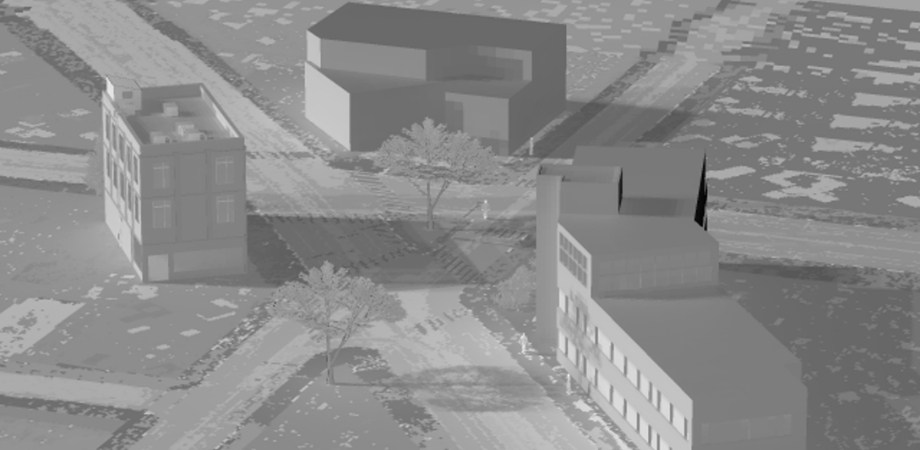
As AI-driven target recognition becomes standard, the need for diverse, physically accurate training data is paramount. MuSES acts as a high-fidelity data factory, capable of generating thousands of unique signature scenarios across varying climates, times of day, and viewing angles. This synthetic data comes with “perfect” pixel-level truth labels, allowing machine learning models to be trained on edge cases that would be impossible or too expensive to capture in the field.
Automated Scenario Generation
Scripts thousands of variations in vehicle operating state, weather, time-of-day, and camera angles to create diverse training sets.
Pixel-Level Truth Maps
Exports “ground truth” data including range, assembly, material labels, and bounding box location.
High-Fidelity Sensor Effects
Simulates sensor noise, blur, and resolution limits to match real-world hardware specifications.
Data Augmentation
Provides physically accurate variations that cannot be captured easily through real-world field testing.
Electronics Thermal Analysis
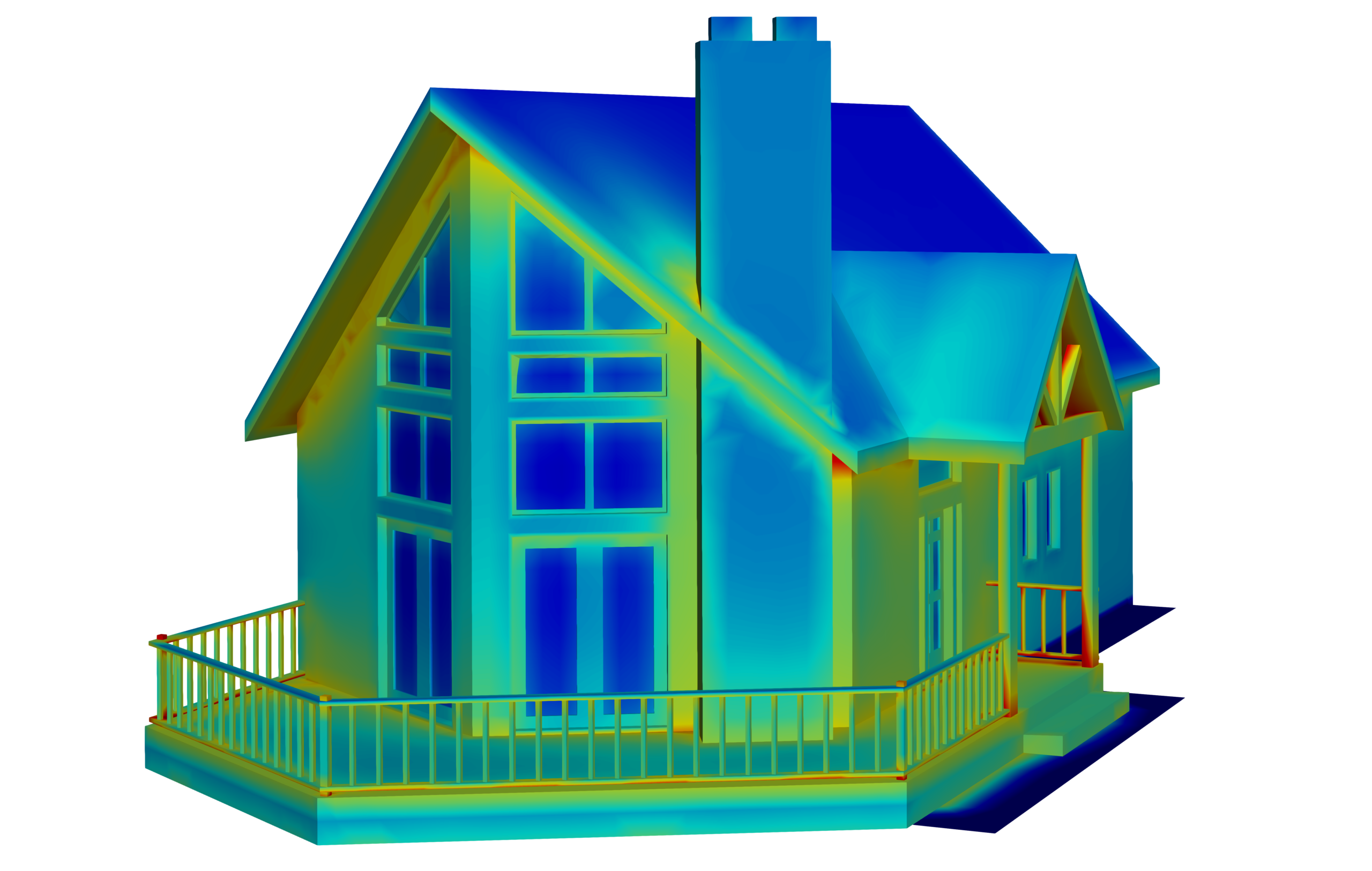
For high-performance computing, automotive auxiliary electronics, and telecommunications, CoTherm manages the coupling between thermal, fluid, and power-draw models.
Dynamic Workload Analysis
Coordinates realistic duty cycles, such as how a CPU/GPU “burst” of activity creates transient heat that the cooling system must mitigate.
Material Stack-Up Study
CoTherm’s automation of design sweeps pairs with TAITherm’s powerful multilayer modeling and thermal linking capabilities to easily study the thermal impact of different chip layout, cooling device, or TIM (Thermal Interface Material) choices across a design space.
Environmental Influence Considerations
Automated workflows enable comprehensive studies of how external ambient changes affect the internal operating temperature of electronics enclosures.
Engineered for
Real-World Applications
Ground Vehicle Stealth & Survivability
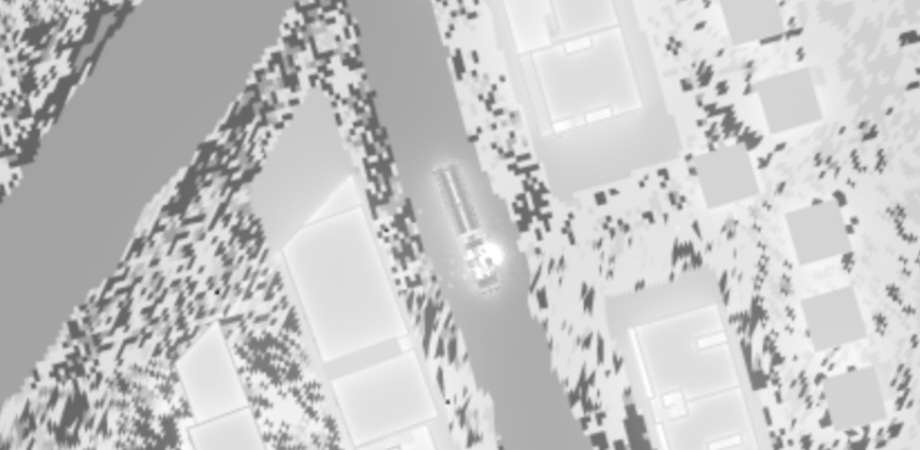
In modern ground warfare, thermal visibility is often the difference between mission success and failure. MuSES allows defense engineers to analyze the “thermal contrast” between a vehicle and its background. By simulating different terrains, such as asphalt, sand, or forest, engineers can predict how a vehicle’s signature changes throughout a 24-hour cycle. This is critical for designing cooling systems and exhaust suppressors that blend the vehicle into the environmental clutter.
Aerospace & Aircraft Signature Management
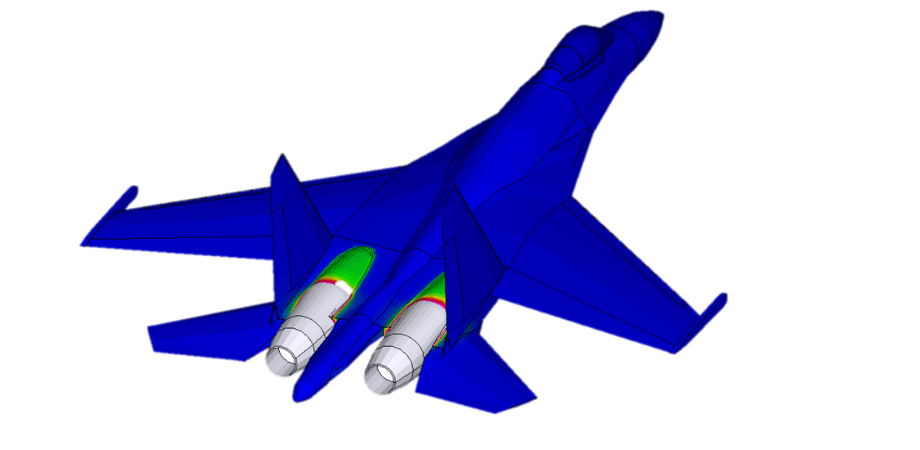
Managing the infrared signature of an aircraft involves balancing aerodynamic heating with the intense thermal energy of the propulsion system. MuSES provides the high-fidelity tools needed to calculate the “apparent brightness” of an airframe against the cold sky or complex earth backgrounds. It accounts for the bidirectional reflectance of specialized coatings and the internal “cavity radiation” from engine intakes and nozzles.
Nozzle & Tailpipe Design
Evaluates the IR impact of different nozzle geometries and cooling bypass systems.
High-Altitude Physics
Models the unique thermal environment of high altitudes, including low air density and intense solar radiation.
Flares and Countermeasures
Simulates the deployment of decoys to analyze their effectiveness in distracting tracking sensors.
Skin Friction Heating
Accounts for aerodynamic heating of the airframe at high velocities and its contribution to the signature.
Satellite & Space Systems Thermal
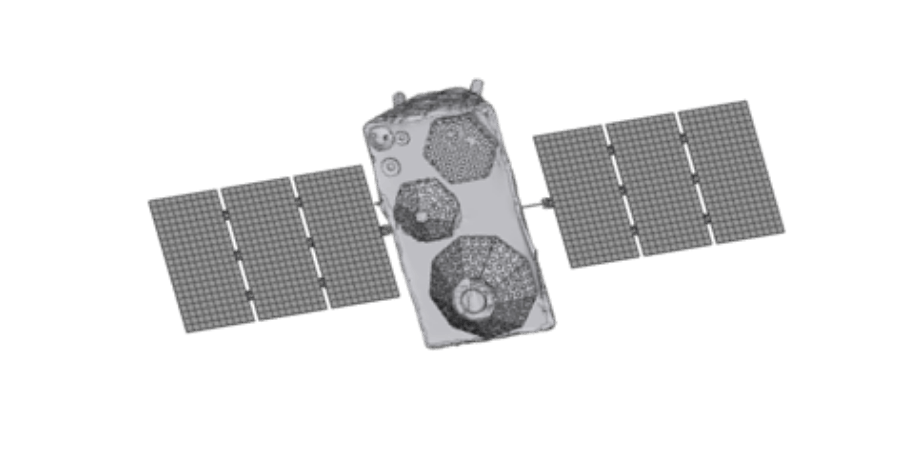
In the vacuum of space, radiation is the only mode of heat rejection. MuSES is uniquely equipped to handle the extreme “sun-to-shade” transitions that satellites experience in orbit. It allows engineers to model the effectiveness of Multi-Layer Insulation and radiators while accounting for the thermal influence of the Earth and the deep cold of space.
Orbital Thermal Cycles
Simulates the rapid transition from direct solar radiation to the cold soak of the Earth’s shadow.
Internal Component Management
Tracks the heat dissipation from onboard electronics and its impact on sensitive optical sensors.
Multi-Layer Insulation (MLI)
Models the performance of highly reflective vacuum-insulation blankets used in space.
Cryogenic Cooler Modeling
Analyzes the thermal environment for cooled sensors to ensure they maintain operational temperatures.

Unmanned Aerial Systems & Drones
As drones take on more reconnaissance and surveillance roles, their own thermal footprint becomes a vulnerability. MuSES helps designers optimize the placement of small, high-heat components like electric motors, batteries, and transmitters. It also simulates the drone’s “own-ship” sensor view, allowing engineers to test the detection range of the onboard cameras under various atmospheric conditions.
Motor & Battery Cooling
Analyzes the heat signature of electric motors and high-discharge battery packs.
Composite Material Modeling
Predicts the thermal behavior of carbon fiber and plastic airframes under solar load.
Reconnaissance Performance
Simulates the drone’s own sensor view to optimize the height and angle for maximum detection capability.
Data Augmentation
Provides physically accurate variations that cannot be captured easily through real-world field testing.
Rigorously Validated for
Real-World Accuracy
MuSES provides the most advanced electro-optical and thermal modeling capabilities available, allowing you to predict how objects appear to sensors across any environment or waveband. By bridging the gap between physical temperature and spectral radiance, MuSES offers a comprehensive solution for stealth optimization and the generation of physically accurate synthetic data.

Full-Spectrum EO/IR Fidelity
Predict the exact signature of assets across all critical wavebands, moving beyond temperature to true physical radiance.

Mission-Ready Environment Variables
Account for real-world variables, including weather, terrain, and atmospheric attenuation, to see how an asset performs in any global theater.

Synthetic Data Mastery
Generate massive, physically accurate datasets to train AI and machine learning algorithms for automatic target recognition (ATR) and sensor development.

Strategic Stealth Optimization
Identify and mitigate high-radiance “hot spots” early in the design phase to reduce the detection range of aircraft, ground vehicles, and satellites.
Enhance MuSES with
Powerful Extensions
ThermoAnalytics product extensions are designed to integrate seamlessly with core solvers to provide high-fidelity, specialized analysis without leaving the primary simulation environment.
RapidFlow
Fast, lightweight airflow and convection modeling for quick early-stage thermal decisions.
Human Thermal
Physiology-based human comfort prediction for realistic cabin, room, and wearable evaluations.
Battery Thermal
Advanced battery and power electronics thermal modeling for EV and hybrid system development.
Exhaust
Simulate exhaust heat flow, aftertreatment behavior, and thermal impact on surrounding systems.
Drive Cycle
Evaluate thermal performance across real-world and standardized drive cycles with transient accuracy.