
Physics-Based Target Models for High-Fidelity EO/IR Signature Simulation
Leverage expert-derived digital representation to predict thermal phenomenology and target-background contrast across the EO/IR spectrum.
Train and Test Sensors with Realistic Targets
ThermoAnalytics provides the industry’s most comprehensive library of high-fidelity Defense Target Models, specifically engineered to interface with MuSES (Multi-Service Electro-Optic Signature) software. These models bridge the gap between theoretical thermal physics and real-world sensor performance, allowing defense engineers to simulate complex signatures across diverse spectral bands. By providing a physically grounded digital representation of military assets, including ground vehicles, aircraft, maritime vessels, and human dismounts, our models eliminate the prohibitive costs and logistical constraints tied to physical field testing, while ensuring unmatched spectral accuracy.
The core challenge for signature management and sensor development engineers is the unpredictability of transient thermal behavior in dynamic environments. Our Defense Target Models solve this by incorporating intricate heat sources, internal component geometry, and mission-specific operational states. Whether evaluating a low-observable design or training a machine learning algorithm for automated target recognition (ATR), these models provide the high-fidelity radiance and temperature data required to predict target-to-background contrast with surgical precision.
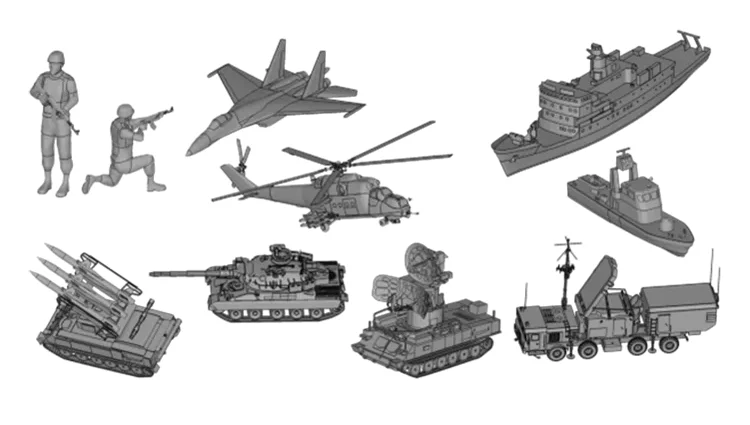

Predict Sensor Signatures
Simulate how a target appears to infrared, electro-optical, and radar sensors under any weather or lighting condition, ensuring the object can be detected or concealed as intended.

Simulate Environmental Physics
Account for “clutter” and environmental physics such as solar loading, wind cooling, and terrain reflections to provide a high-fidelity representation of a target in its true operational habitat.

Optimize Signature Management
Virtually test different paints, coatings, or cooling techniques to minimize thermal contrast, drastically reducing detectability before physical modifications are made.

Accelerate Mission Planning
By generating accurate synthetic imagery of targets, these models can be used to “train” automated target recognition (ATR) algorithms.
Advanced Capabilities for
Complex Thermal Systems
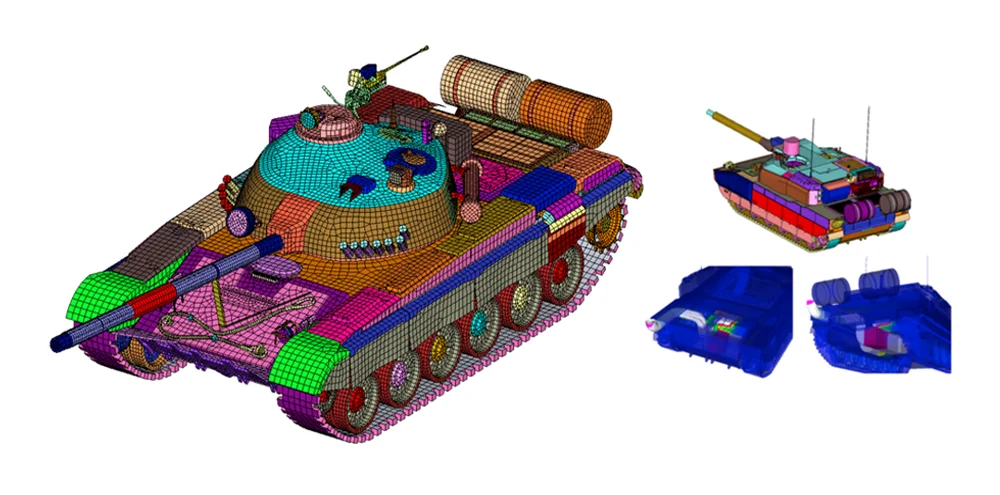
High-Fidelity Multi-Physics Integration
Our models are built on a foundation of rigorous physics, integrating conduction, convection, and multi-mode radiation. This capability ensures that the thermal coupling between internal components (such as engines, electronics, and exhaust systems) and the external skin is captured accurately, reflecting true-to-life heat signatures under varying load conditions.
Transient Thermal Solving
Calculates time-dependent temperature distributions across mission profiles to capture thermal lag and soak.
Detailed Internal Heat Sources
Models engines, transmissions, and subsystems as active thermal nodes for realistic signature leakage.
Environmental Coupling
Accounts for solar loading, diffuse sky radiance, and terrain-specific re-radiation.
Conduction Path Modeling
High-resolution mesh structures ensure accurate thermal transfer across complex mechanical interfaces.
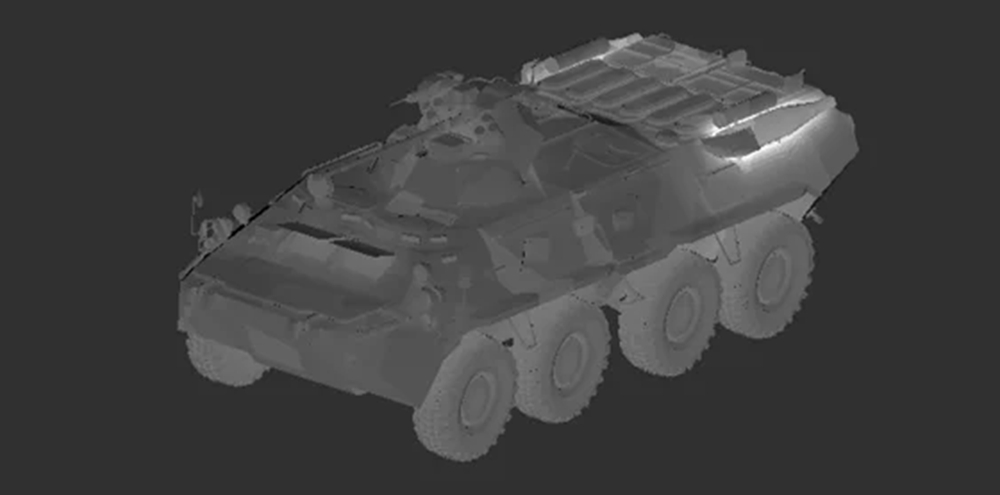
Spectral Radiance and BRDF Accuracy
The RapidFlow solver is optimized for physics-based accuracy and speed by utilizing simplified Navier-Stokes equations that prioritize airflow and heat transfer modeling. Specialized solver methods allow the software to remain stable even on coarse meshes and large timesteps that would typically cause traditional CFD codes to diverge or lose accuracy. It provides a smarter balance between computational time and accuracy, specifically for complex convective problems.
Multi-Spectral Material Databases
Pre-assigned material properties for coatings, CARC paint, and specialized camouflage.
Directional Reflectance
Employs BRDF logic to account for surface roughness and grazing angles in signature calculations.
Atmospheric Path Modeling
Integrates with MODTRAN® or standard atmospheric models to account for signal attenuation.
Coarse Mesh Surface Emissivity Controls
Allows for the simulation of specialized low-emissivity coatings and thermal suppression systems.
Dynamic Operational State Modeling
A target’s signature is never static. Our models support “state-based” simulation, allowing engineers to toggle engine RPM, vehicle heading, and speed. This enables the creation of massive, varied synthetic datasets that represent a vehicle’s entire operational envelope rather than a single snapshot.
External Mission Profile Integration
Couples with 1D tools or user scripts, typically using TAITherm Input and Output parameters, to drive HVAC or other system response based on 3D data.
Variable Engine States
Models using RapidFlow can be exported as industry-standard FMUs for import and co-simulation with a variety of system/1D modeling tools.
Plume and Wake Dynamics
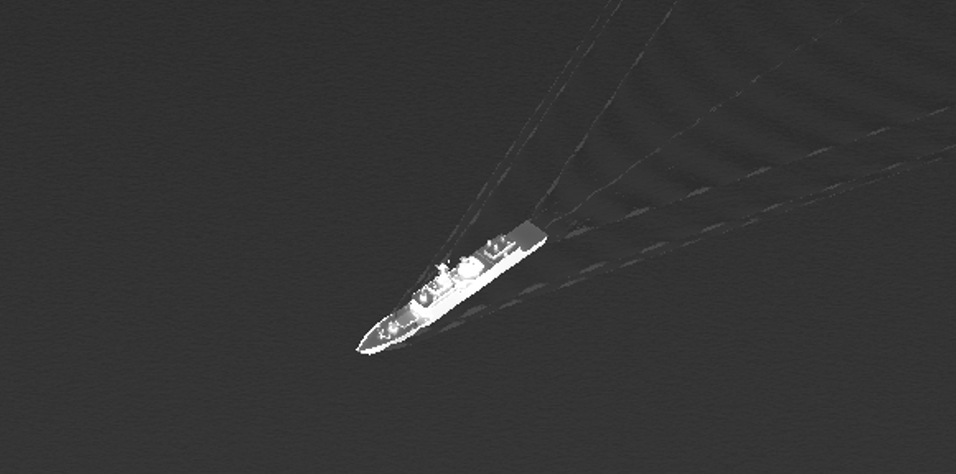
Models the thermal impact of exhaust plumes for aircraft and ground vehicles as well as wakes for maritime vessels.
Articulated Geometry
Supports moving parts like turrets, rotors, and hatches that alter the projected signature.
Synthetic Image Generation & AI Data Augmentation
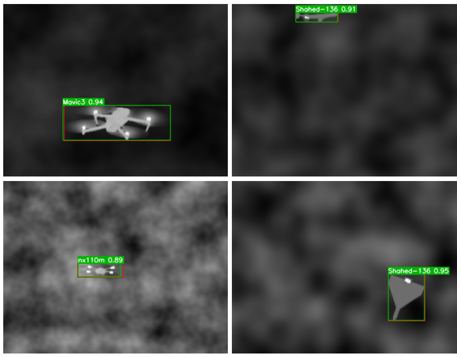
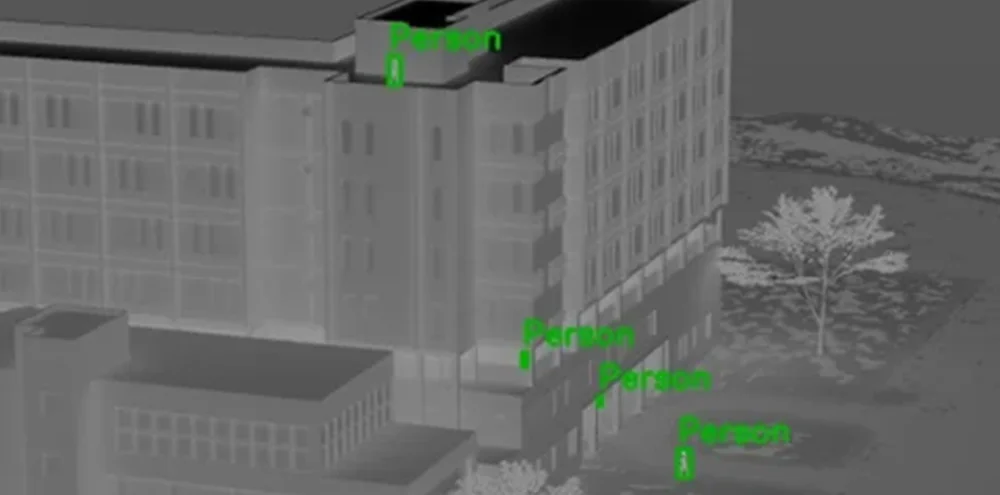
To support the modernization of sensor systems, our target models act as the engine for generating ultra-realistic synthetic imagery. This capability is critical for training neural networks where measured field data is scarce, classified, or too expensive to obtain.
High-Resolution Rendering
Produces physics-based imagery at the focal plane array level of specific sensor hardware.
Automated Scene Generation
Rapidly iterates through thousands of iterations of time-of-day, weather, and location.
Labeling & Metadata
Generates pixel-level truth maps and bounding boxes automatically for ML training workflows.
Sensor Effect Simulation
Incorporates MTF, noise, and blur to mimic specific electro-optical hardware artifacts.
Electronics Thermal Analysis
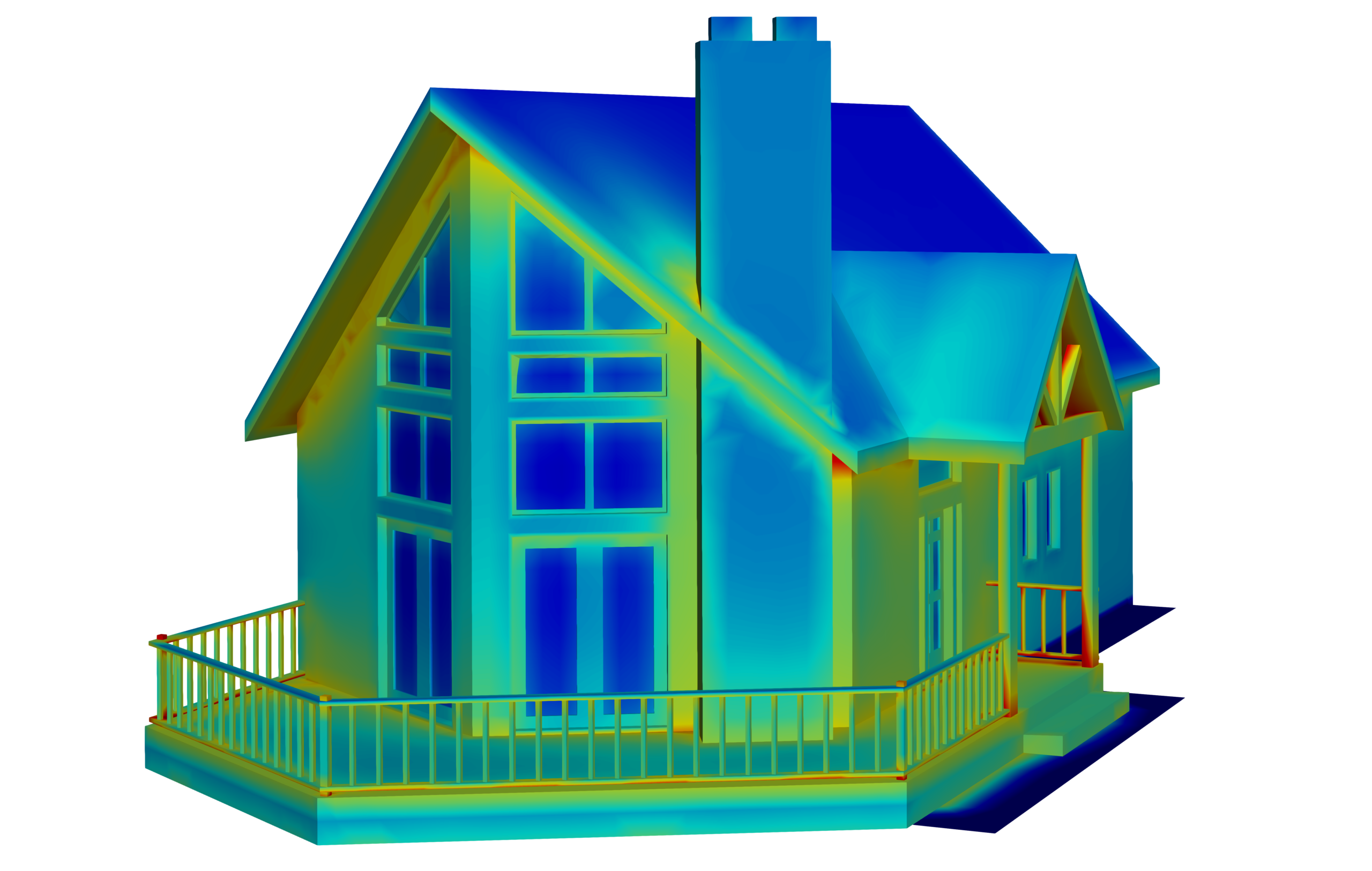
For high-performance computing, automotive auxiliary electronics, and telecommunications, CoTherm manages the coupling between thermal, fluid, and power-draw models.
Dynamic Workload Analysis
Coordinates realistic duty cycles, such as how a CPU/GPU “burst” of activity creates transient heat that the cooling system must mitigate.
Material Stack-Up Study
CoTherm’s automation of design sweeps pairs with TAITherm’s powerful multilayer modeling and thermal linking capabilities to easily study the thermal impact of different chip layout, cooling device, or TIM (Thermal Interface Material) choices across a design space.
Environmental Influence Considerations
Automated workflows enable comprehensive studies of how external ambient changes affect the internal operating temperature of electronics enclosures.
Engineered for
Real-World Applications
Ground Vehicle Signature Management
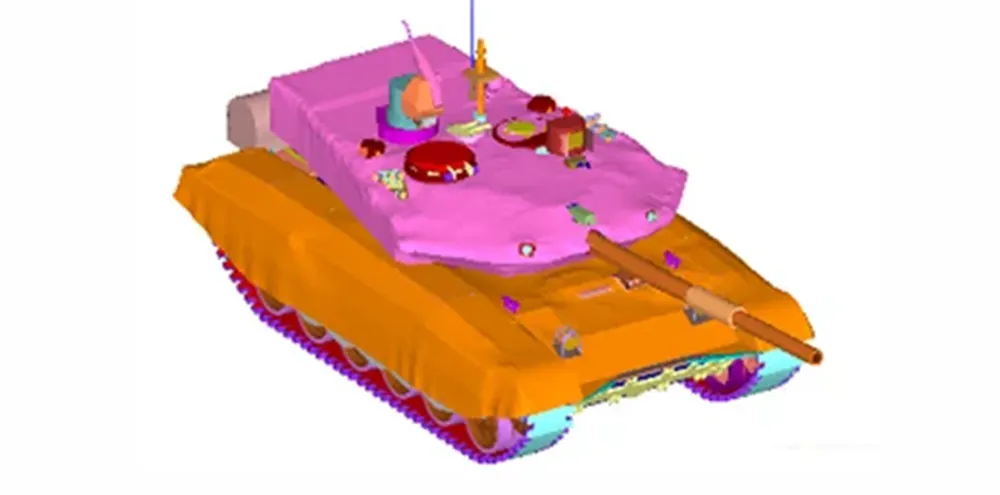
Engineers must assess the effectiveness of camouflage and thermal suppression on main battle tanks and APCs. Our models allow for the virtual application of different Netting and CARC paint schemes to observe their impact on detection ranges in various terrains, from desert heat to arctic cold.
- Optimization of thermal shrouds and insulation.
- Analysis of “hot spots” from engine grilles and track friction.
- Prediction of Probability of Detection (Pd) against specific IR seekers.
- Virtual testing of active cooling or signature masking technologies.
Aircraft EO/IR Vulnerability Assessment
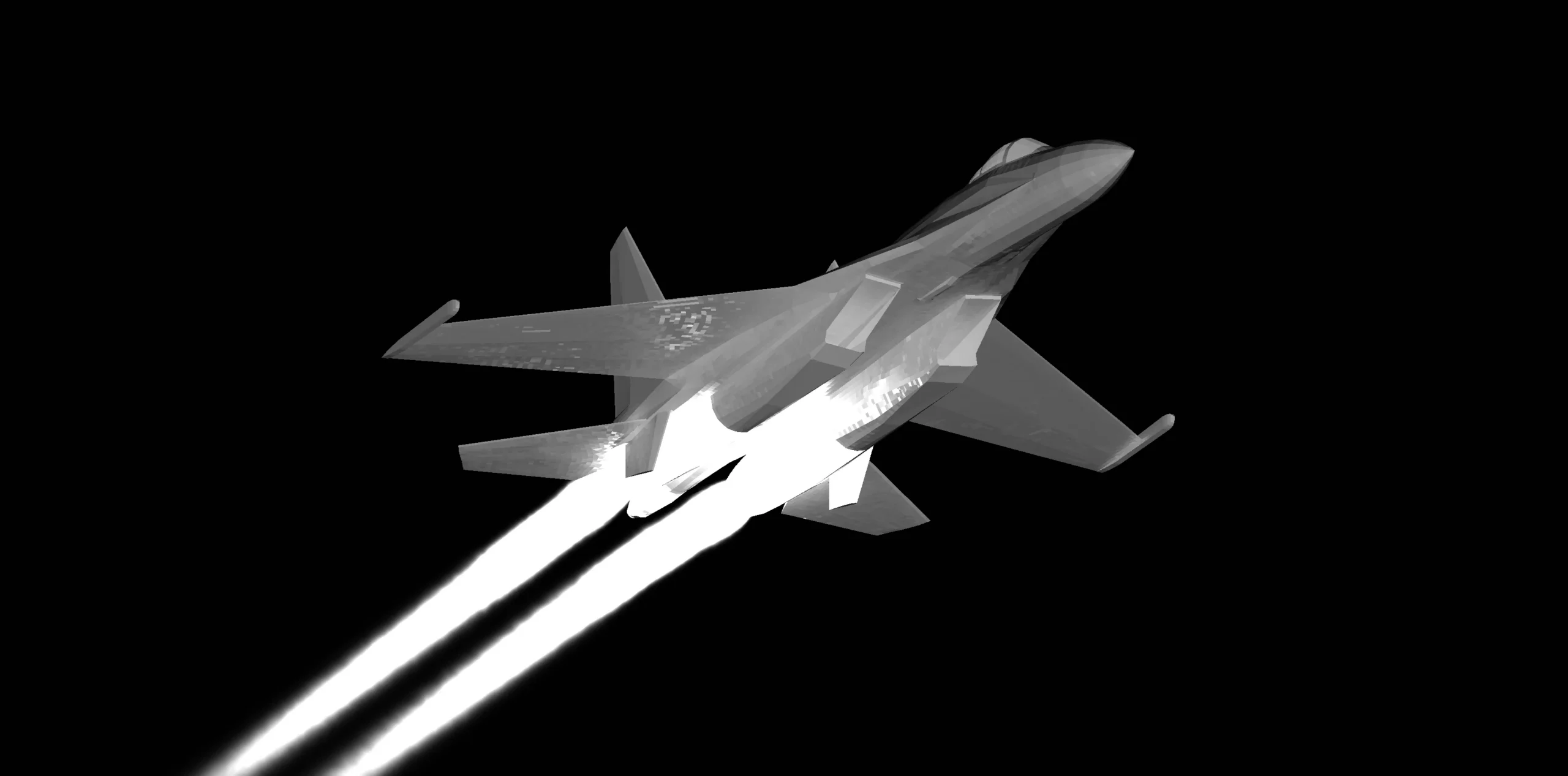
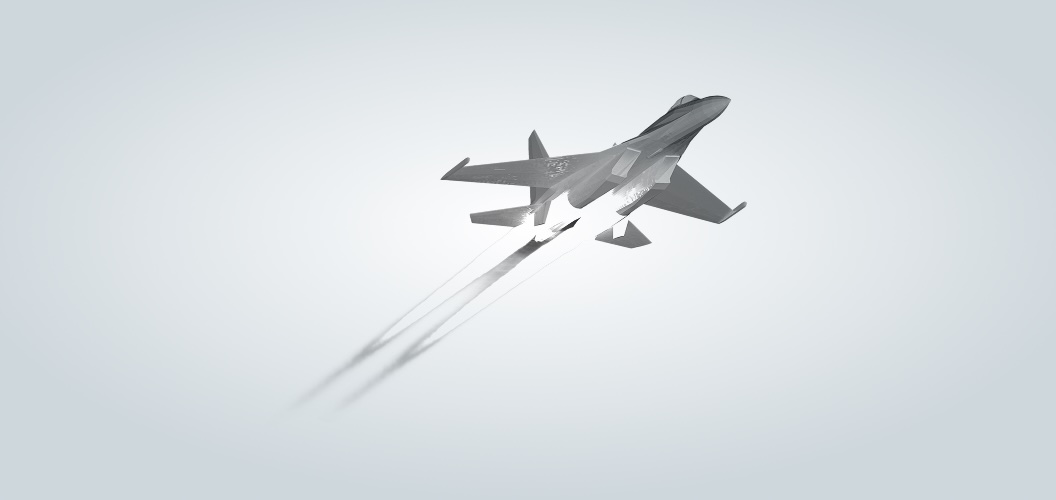
Modern airframes face threats from heat-seeking missiles and IRST (Infrared Search and Track) systems. We provide detailed aircraft models that include plume radiation and skin heating due to aero-thermal effects, enabling survivability analysis across all flight altitudes.
- Simulation of exhaust plume radiance and CO2 signature spikes.
- Aero-heating calculations for supersonic and high-subsonic flight.
- Evaluation of flare effectiveness and IR countermeasure (IRCM) placement.
- Assessment of top-down vs. aspect-dependent signatures.
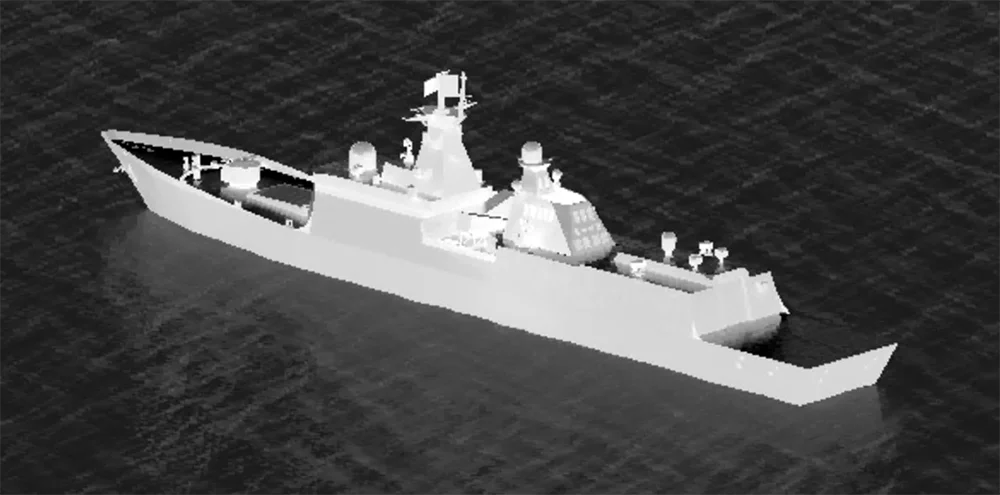
Maritime Vessel Contrast Analysis
Ships present a unique challenge due to the interaction between the hull, the sea surface, and the wake. Our maritime models account for the sea-surface reflection (glint) and the thermal contrast of the ship against a dynamic ocean background.
- Modeling of sea-chest heat rejection and engine room cooling.
- Wake thermal signature prediction for torpedo or missile seeker analysis.
- Analysis of hull-to-water temperature gradients.
- Integration of mast-mounted sensor performance in maritime environments.
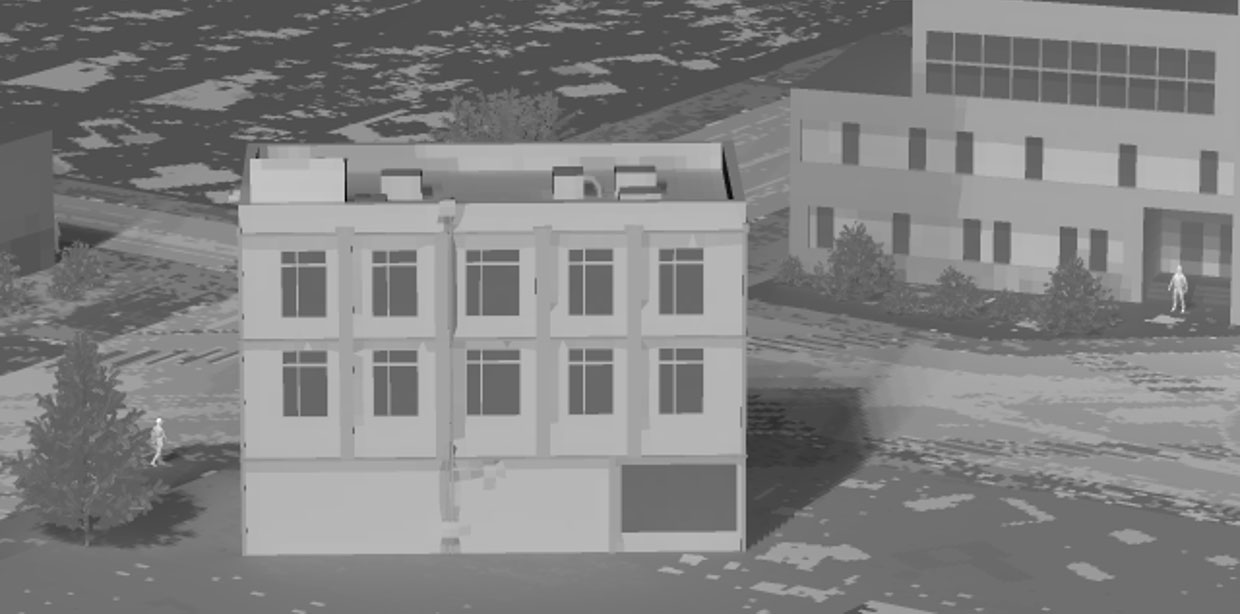
Human Dismount & Thermal Survival
Modeling the human signature is vital for sniper detection, search and rescue, and soldier survivability. Our models include the Human Thermal Extension, which accounts for metabolic heat, clothing layers, and physiological responses like sweating or shivering.
- Prediction of detection ranges for dismounted infantry in complex urban clutter.
- Evaluation of specialized thermal-concealment textiles.
- Simulation of human thermal fatigue and survival in extreme environments.
- Comparison of human signatures against background thermal noise.
Rigorously Validated for
Real-World Accuracy
ThermoAnalytics Defense Target Models provide the specialized depth that transforms raw simulation into actionable intelligence. By moving from empirical estimates to high-fidelity, physics-based virtual prototypes, defense organizations can realize significant ROI through compressed development cycles and reduced reliance on costly, weather-dependent field trials.

Rapid Transient Solving
Achieve high-fidelity results in a fraction of the time compared to traditional CFD-only approaches.

Unrivaled Spectral Accuracy
Trust your signature predictions from the visible through the LWIR spectrum with validated BRDF and material properties.

Validated Mission Readiness
Optimize designs for “worst-case” thermal scenarios before the first prototype is ever built.

Seamless ML Integration
Scale your AI training by generating thousands of physics-accurate synthetic images with automated ground truth.
Tools for Thermal Modeling
ThermoAnalytics product extensions are designed to integrate seamlessly with core solvers to provide high-fidelity, specialized analysis without leaving the primary simulation environment.
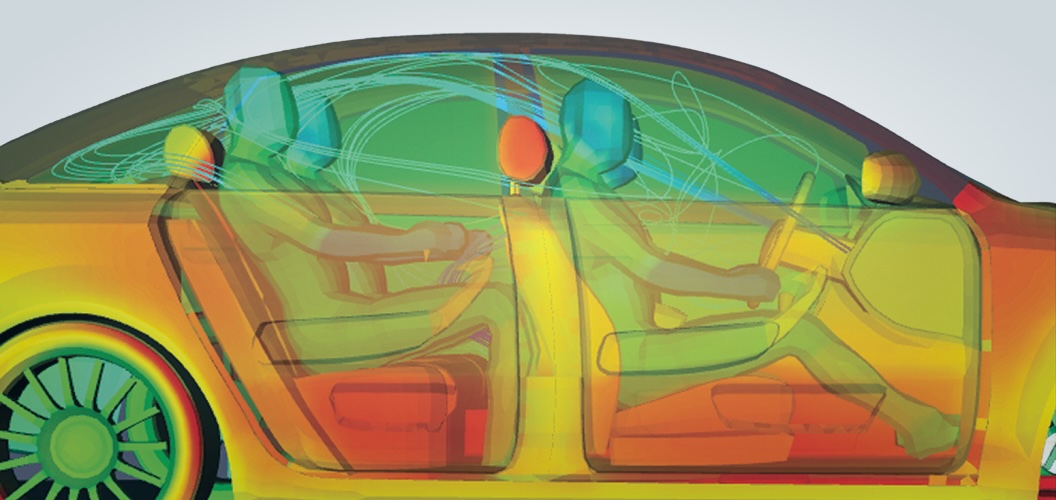

Simulate real-world thermal behavior across complete systems with validated, multiphysics accuracy.
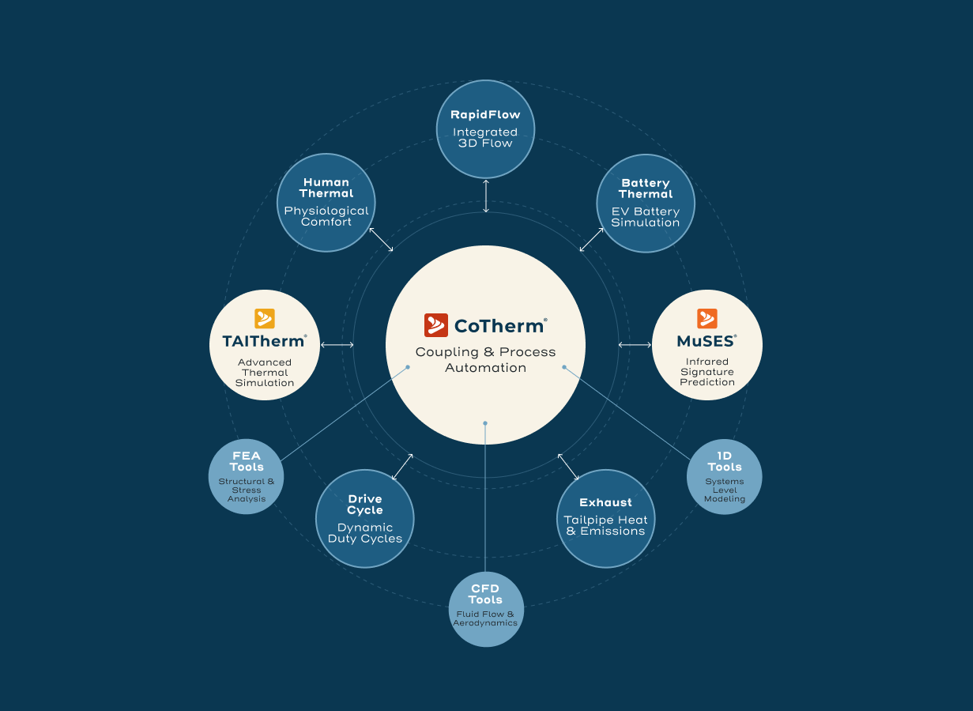

Automate, orchestrate, and streamline multiphysics simulation workflows across tools and teams.

Predict EO/IR signatures in real environments for mission-critical visibility and survivability analysis operations.