
EO/IR Sensor Simulation
EO/IR Analysis for Survivability and Efficiency
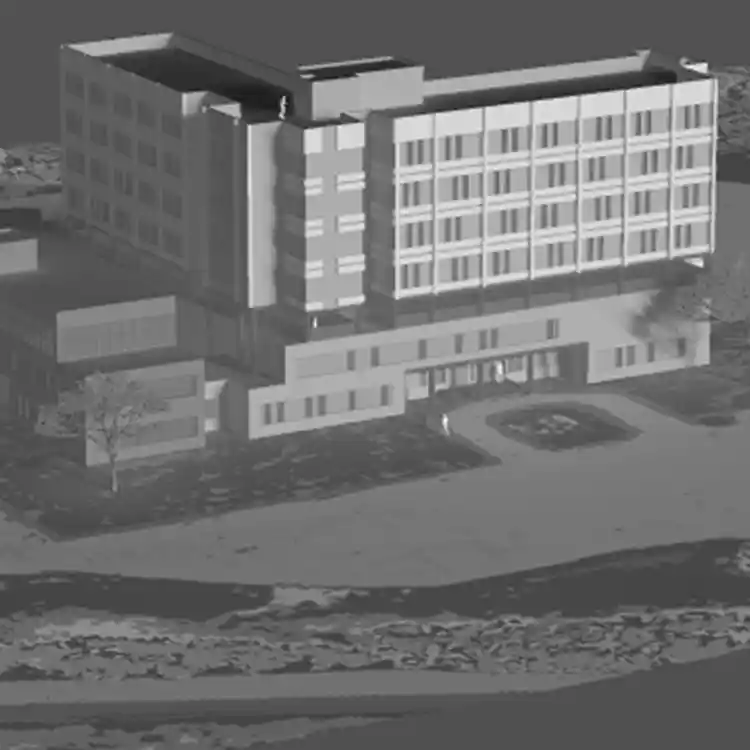
Model Infrared Signatures and Spectral Radiance for Vehicles and Buildings
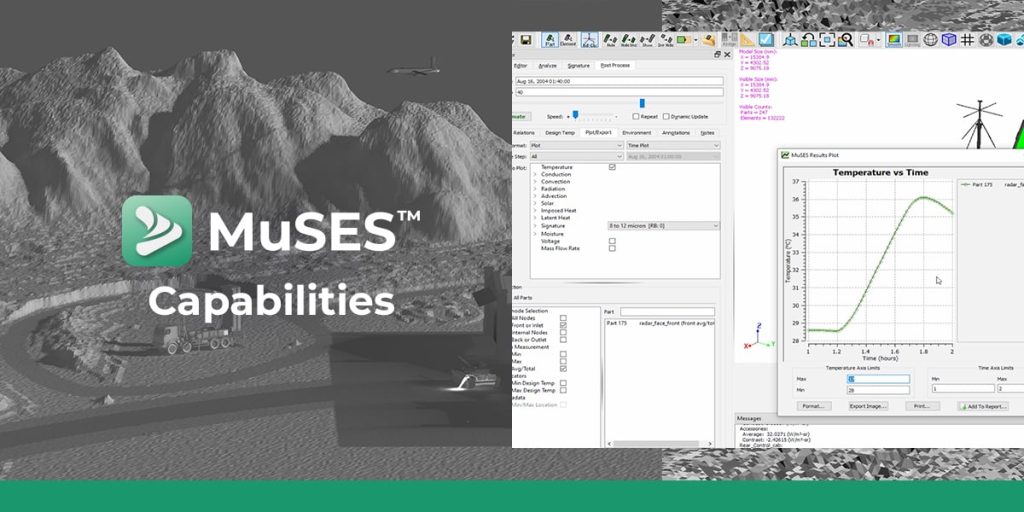
In the realm of defense and high-end architectural engineering, understanding the infrared (IR) and electro-optical (EO) signature of a system is no longer optional—it is a requirement for survivability and efficiency. Using ThermoAnalytics’ MuSES solution EO/IR analysis is performed in a high-fidelity, physics-based environment that predicts how objects interact with their thermal surroundings across the electromagnetic spectrum.
Whether you are reducing the heat signature of a tactical vehicle or optimizing the solar loading on a modern skyscraper, our tools provide the predictive power to see the “invisible” before a physical prototype ever exists.
How It Works:
The Physics of Radiation
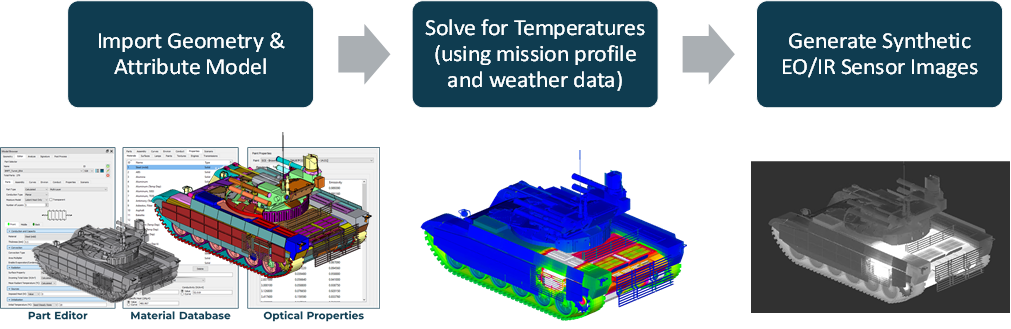
At the core of our EO/IR analysis is a sophisticated multi-spectral radiation solver that accounts for transient environmental conditions. Unlike simple steady-state models, our software calculates the temperature distribution of an asset by simulating:

Solar Loading
Direct, diffuse, and reflected solar radiation.

Atmospheric Effects
Accounting for humidity, aerosols, and path radiance.

Surface Radiosity
High-resolution modeling of how different materials (paints, glass, composites) emit and reflect energy.
Heat Transfer Integration
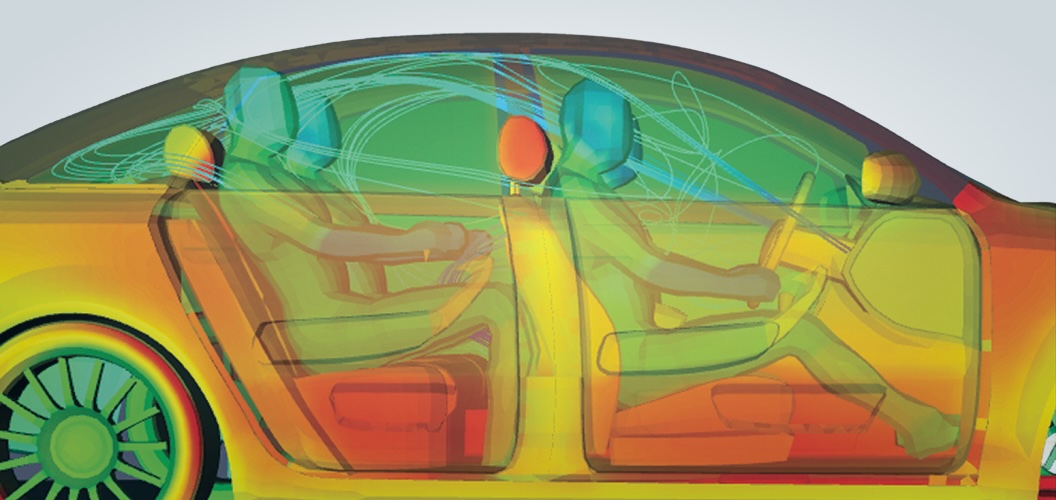
Seamlessly coupling internal heat sources (engines, HVAC systems) with external environmental influences.
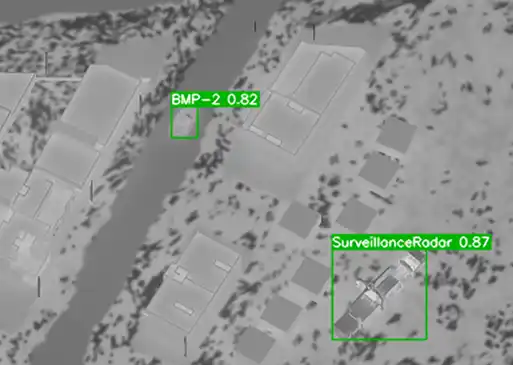
By solving the fundamental heat transfer equations in tandem with optical properties, we generate a synthetic “thermal image” that replicates what a thermal camera or a heat-seeking sensor would see in the real world.
Engineering Without Compromise
By integrating ThermoAnalytics into your design workflow, you transform thermal management from a reactive fix into a competitive advantage.
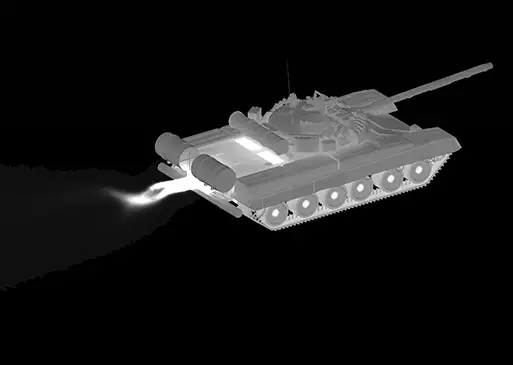
Plume and Exhaust Modeling
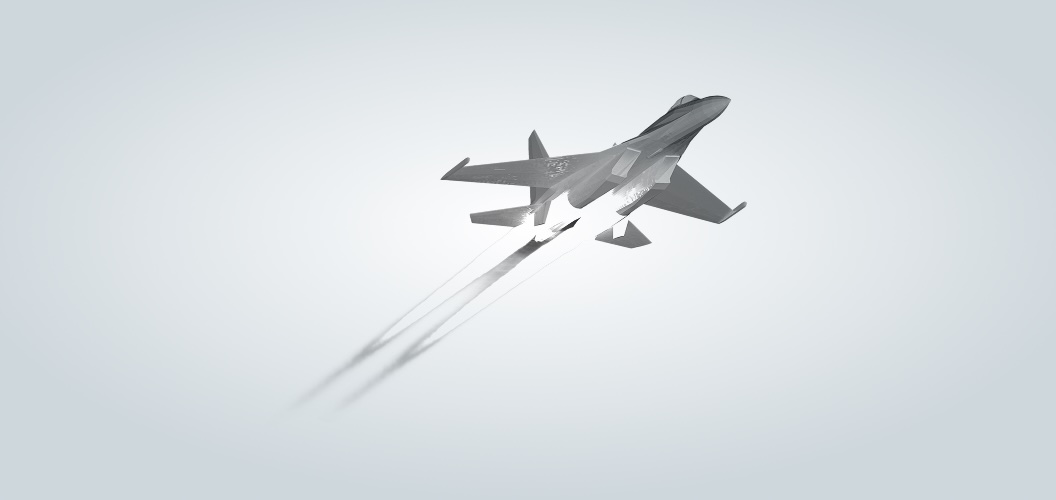
The thermal signature of a vehicle is often dominated by its propulsion system. Our analysis goes beyond simple surface temperatures by integrating fluid dynamics to model the three-dimensional structure of exhaust plumes and their impact on the surrounding air. By simulating high-temperature gas signatures, engineers can evaluate the effectiveness of diffusers, heat exchangers, and exhaust routing to suppress “hot spots.” This ensures that the engine’s thermal trail is dissipated quickly, reducing the risk of tracking by heat-seeking threats and IR-guided munitions.
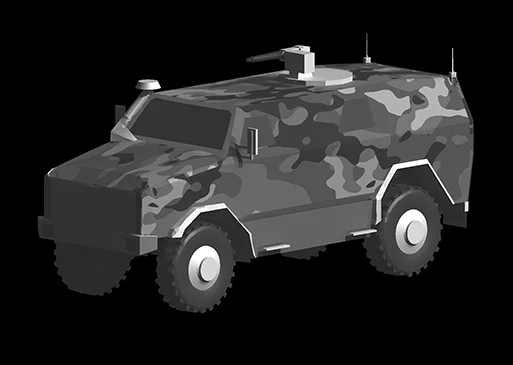
Camouflage Effectiveness
Traditional visual camouflage is ineffective against modern thermal imaging. Our tools evaluate Infrared Signature Management (ISM) strategies, such as specialized low-emissivity coatings, phase-change materials, and thermal blankets. We simulate these materials across a full 24-hour diurnal cycle, assessing how they interact with varying sun angles and shadows. This allows designers to predict when a vehicle might become “thermally visible” against a specific background—such as a desert or forest—and adjust material properties to maintain low contrast throughout the day and night.
Detection Range Prediction
Understanding a vehicle’s vulnerability requires seeing it through the “eyes” of the adversary. Our software simulates the performance of specific EO/IR sensor suites, accounting for detector sensitivity, lens optics, and atmospheric attenuation. By calculating the contrast between the target and its environment, we can accurately predict the range at which a vehicle can be detected, recognized, and identified (DRI). This quantitative data allows defense teams to set realistic survivability requirements and optimize vehicle profiles to stay below the detection threshold of modern sensor technology.