
Thermal Management & Heat Transfer
Hot Soak Analysis & Transient Thermal Simulation
Predict Key-Off Temperature Spikes and Hot Soak Risk
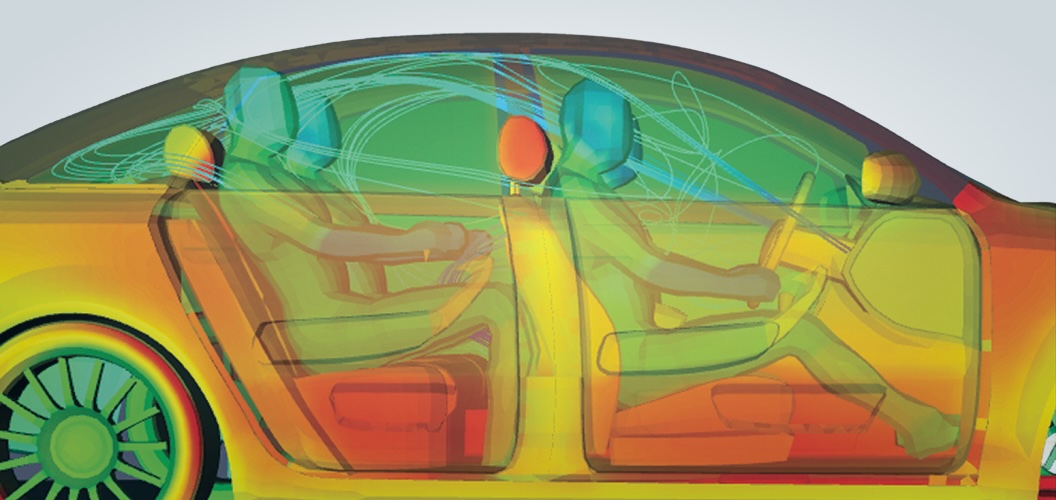
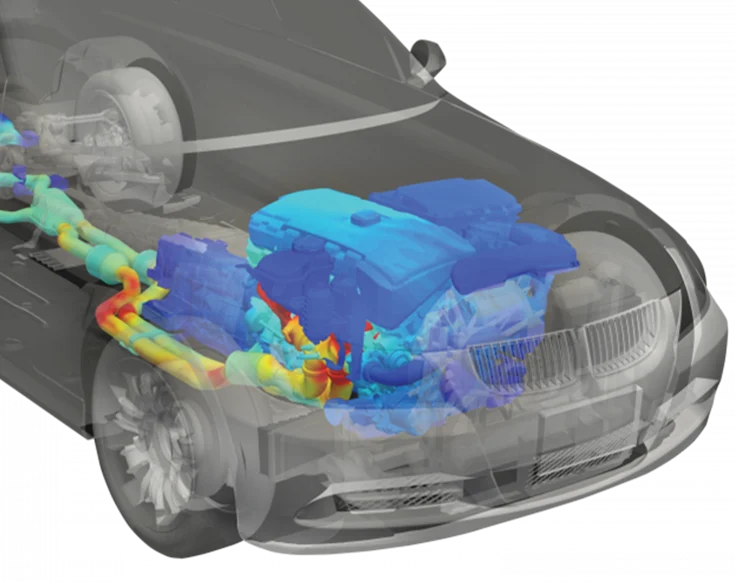
Hot soak analysis is a critical component of automotive and aerospace thermal engineering, focusing on the “key-off” period where a vehicle transitions from active operation to a stationary state. When the engine is turned off, forced convection (airflow) ceases, yet high-mass components like the engine block, catalytic converters, and exhaust systems continue to radiate significant residual heat. This phenomenon leads to a rapid temperature spike, a hot soak, that can last for several minutes and potentially compromise the integrity of nearby temperature-sensitive parts, such as plastic housings, electronics, and wiring. ThermoAnalytics provides advanced transient simulation tools to help engineers predict these temperature peaks, ensure component durability, and optimize thermal shielding before a physical prototype is ever built.
How It Works
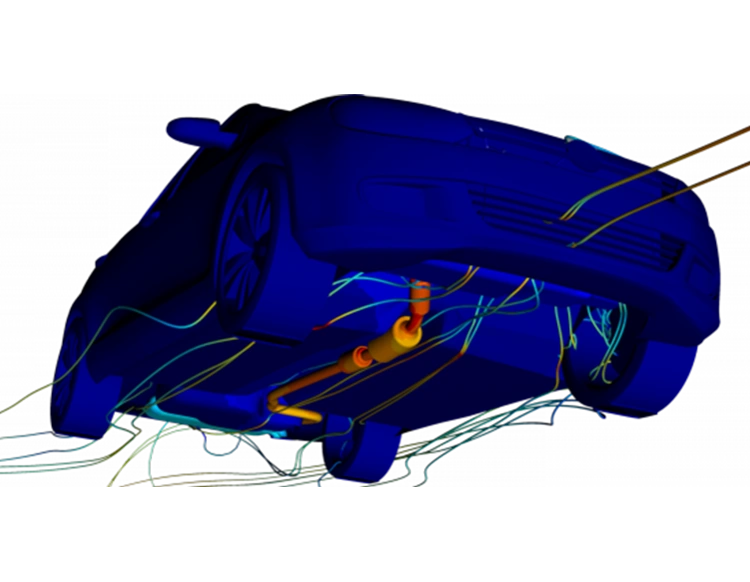
The technical core of hot soak analysis lies in capturing the physics of transient heat transfer during the absence of active cooling. Using TAITherm, our advanced thermal solver, the process begins by simulating the vehicle’s operating state (e.g., highway driving or city idling) to establish the initial thermal conditions. Once the “key-off” event occurs, the software uses a transient solver to calculate the heat exchange through conduction, surface-to-surface radiation, and natural convection.
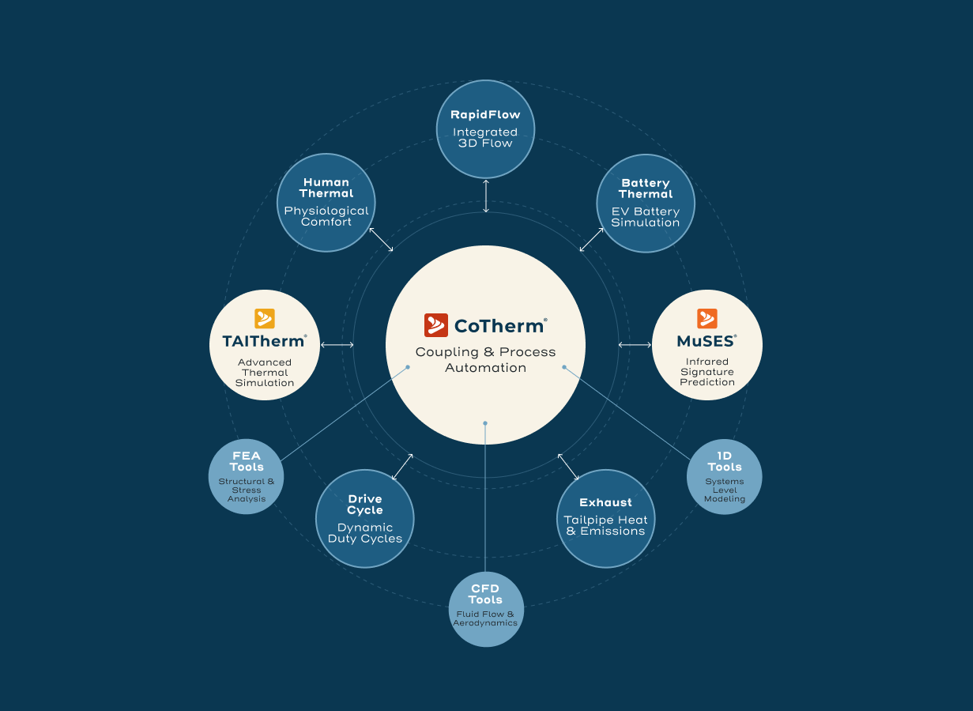
To accurately model the air movement within the engine compartment during this transition, engineers can utilize RapidFlow. This tool provides a high-speed, streamlined option for characterizing complex 3D airflow and convection without the overhead of traditional CFD. By using RapidFlow, users can quickly simulate how stagnant air behaves around high-mass components, ensuring that buoyancy-driven currents are accounted for in the temperature prediction. For high-fidelity requirements, our methodology also supports using CoTherm to automate the coupling between CFD and thermal solvers. This flexibility allows engineers to identify “hot spots” where heat accumulates and determine exactly how long components will stay above their critical temperature thresholds.
Engineering Without Compromise
By integrating ThermoAnalytics into your design workflow, you transform thermal management from a reactive fix into a competitive advantage.
Underhood & Underbody Component Durability
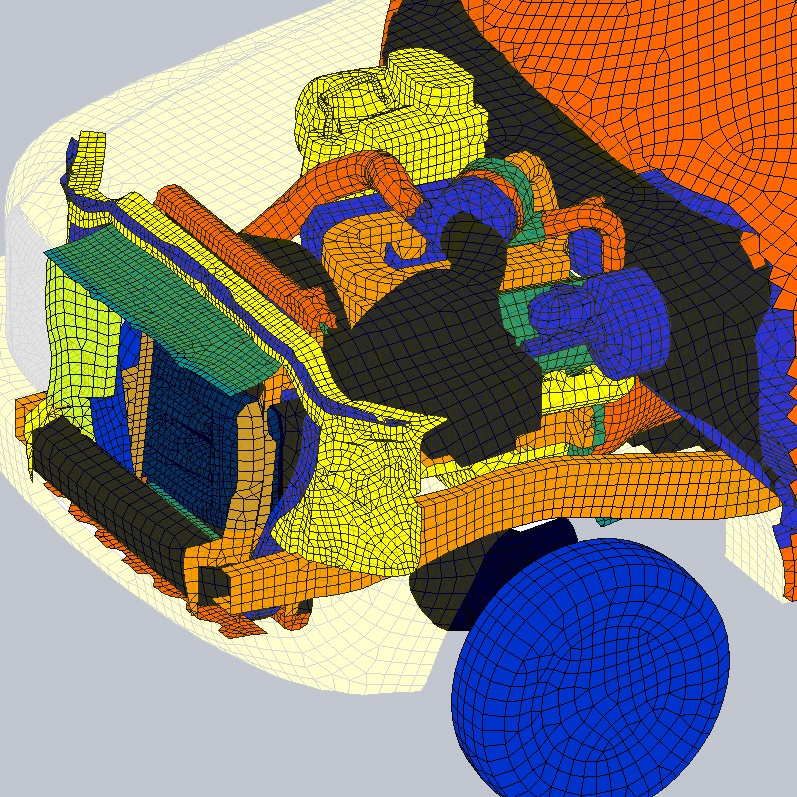
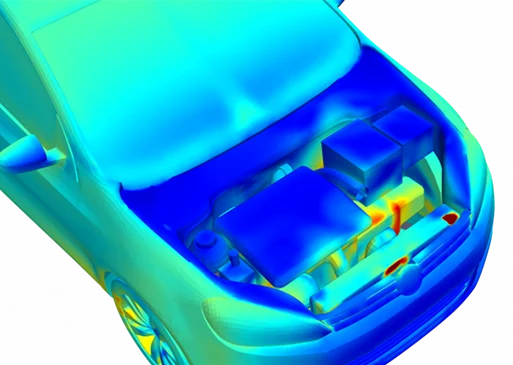
In modern vehicle design, the shift toward lightweight plastic components and compact engine bays increases the risk of thermal degradation. Analysis in this area focuses on identifying if high-mass parts will cause nearby sensitive components to exceed their maximum design temperature. By simulating these real-world transients, engineers can strategically place thermal shields and optimize component layout to avoid costly late-stage design failures.
Battery Thermal Management & Safety
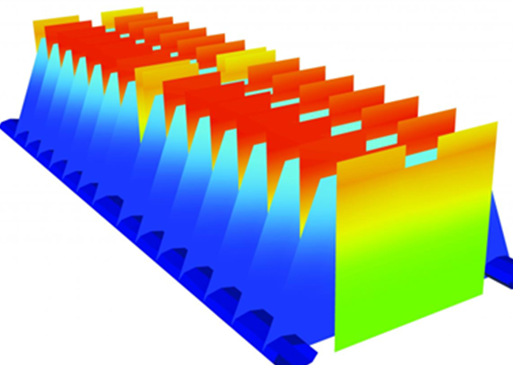
For electric and hybrid vehicles, hot soak analysis is essential for battery pack safety. After a period of fast charging or high-load driving, the battery’s internal temperature may continue to rise even after the vehicle is stationary. Analysis ensures that the thermal management system, or passive cooling, can effectively dissipate this latent heat to prevent accelerated aging or, in extreme cases, thermal runaway.
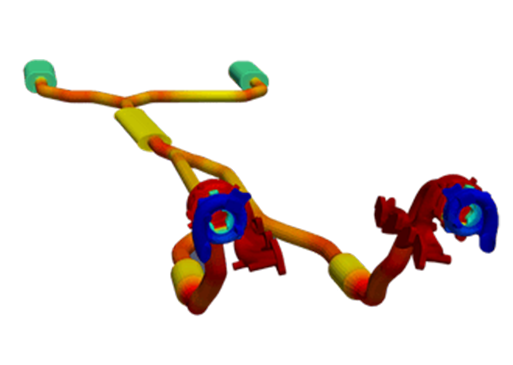
Exhaust System Thermal Protection
The exhaust system is often the hottest part of an internal combustion engine or hybrid vehicle, and its thermal signature evolves rapidly during a hot soak. Using the Exhaust Extension, we analyze the unique physics of exhaust components during different driving scenarios followed by an immediate stop. This analysis helps in designing heat shields that protect the chassis and fuel lines from the intense radiant heat emitted by the catalytic converter and mufflers during the soak period.