
PRESENTATION Most human thermal models simplify the body into cylinders and spheres to calculate heat conduction from the core to the surface. This approach has worked well for decades. However, it may introduce meaningful errors when predicting local skin temperature at the body segment level. In this presentation from ICEE XXI in Kuching, Sarawak, Malaysia, … Read more
Archives: Resources
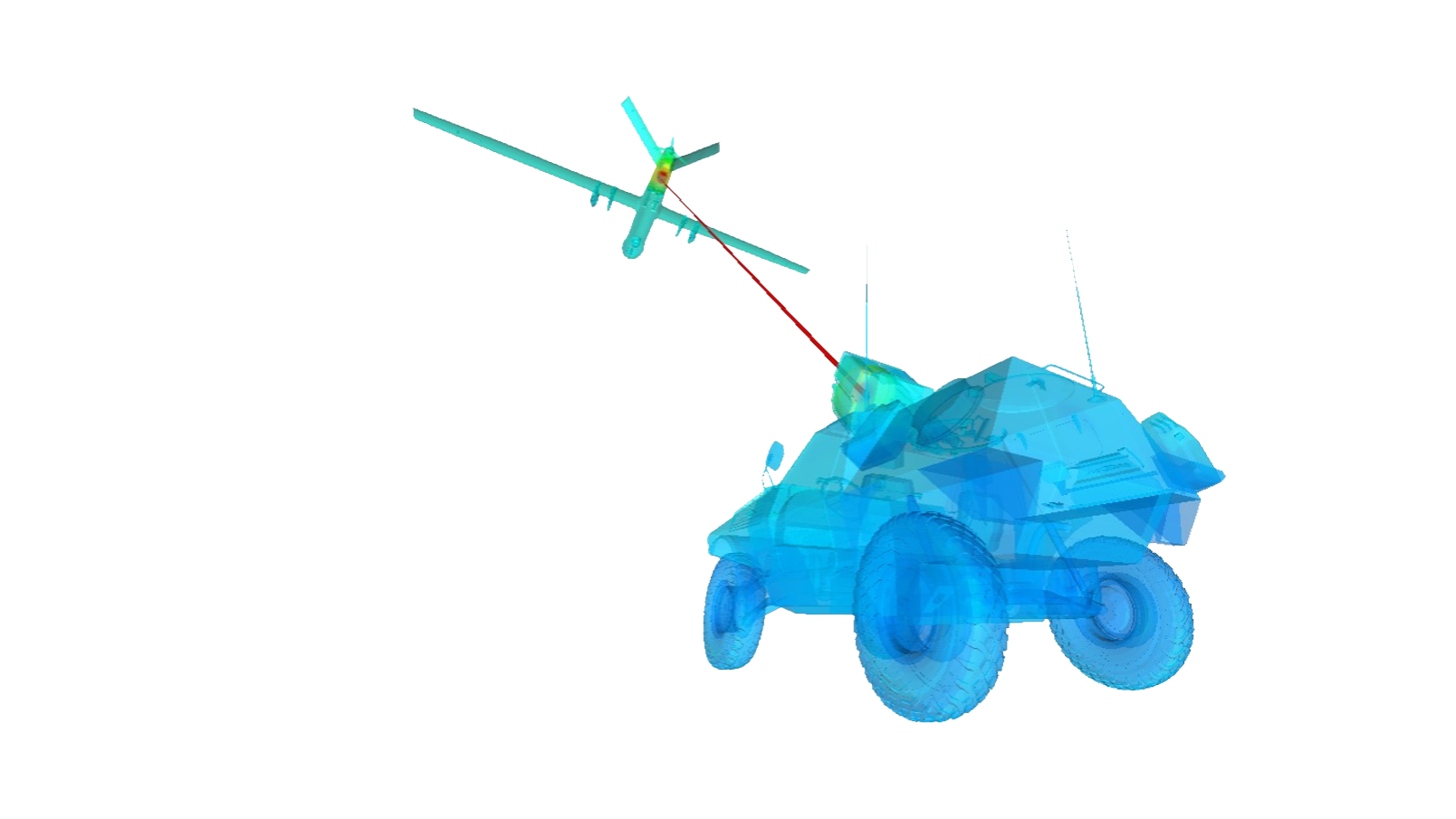
How physics-based thermal simulation supports HEL platform design, energy management, and adversarial assessment Directed Energy Weapons, and High-Energy Lasers in particular, create unique engineering challenges. Power concentration and firing time constants place real demands on the platforms that carry them. Systems like the Mobile Short Range Air Defense (M-SHORAD) program are already integrating 50 kW-class … Read more
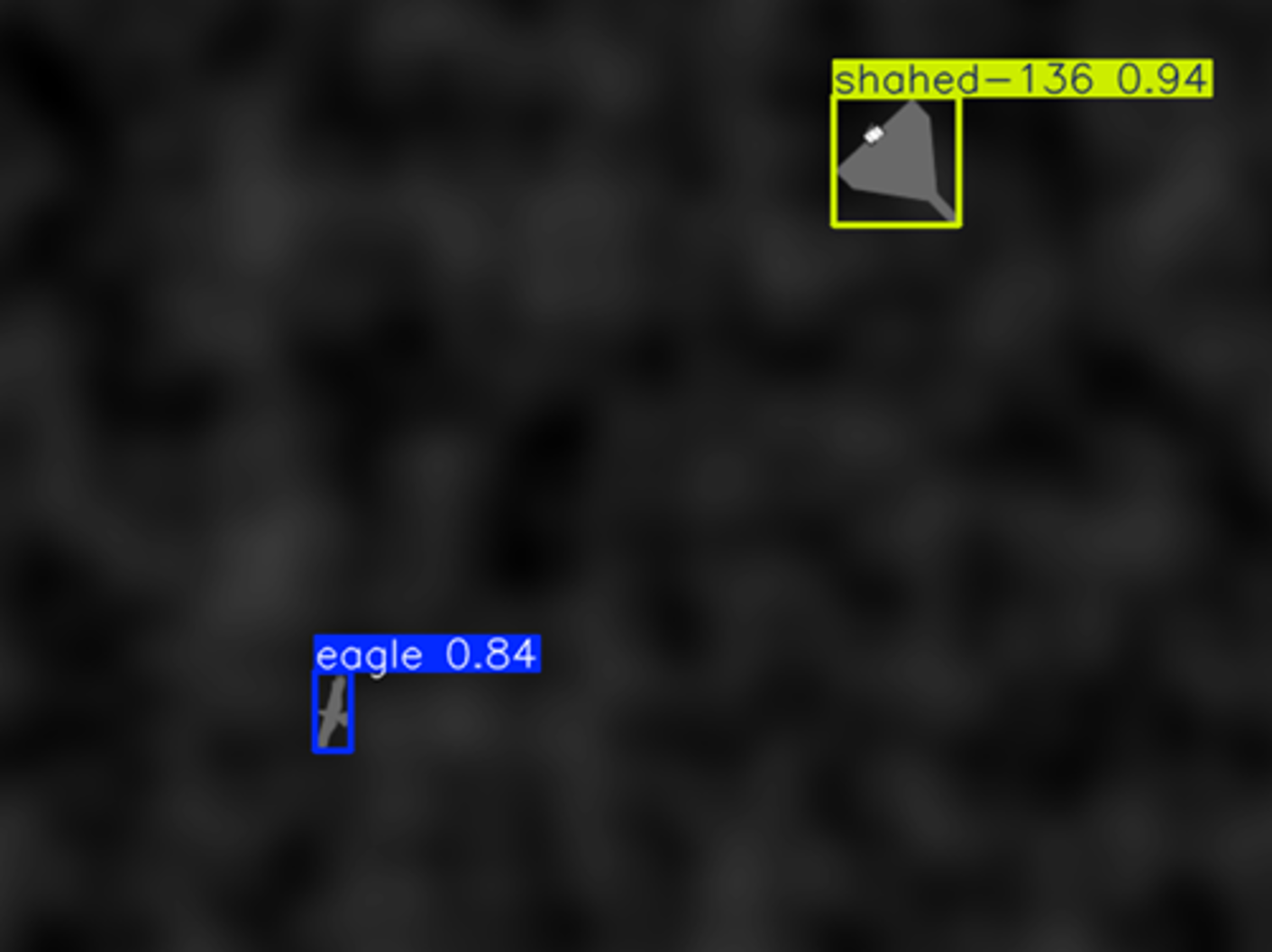
How MuSES-generated synthetic EO/IR imagery is closing the data gap for AI and ATR development Automated Target Recognition systems are only as reliable as the data used to train them. Measured EO/IR imagery alone cannot reasonably or successfully train these algorithms. Gathering sufficient real-world data across every target type, environment, and sensor condition is slow … Read more
Design for Comfort. Validate with Confidence. For decades, thermal simulation has focused on system performance while treating humans as static heat sources. Today, that approach creates risk. Comfort directly impacts efficiency, safety, and product success—and failing to model it accurately can lead to costly late-stage surprises. In this eBook, you’ll learn how human thermal modeling … Read more
Engineering Confidence Starts with Thermal Accuracy When your simulation only reflects ideal conditions, critical issues surface in validation—not in your model. TAITherm is built for engineers who need to predict real-world thermal behavior with confidence. From complex heat transfer and transient operating conditions to environmental effects and system-level interactions, TAITherm captures the physics that simpler … Read more
Ask better questions about EO/IR survivability Choosing an EO/IR simulation tool is a mission-critical decision. When signatures are modeled incorrectly, vulnerabilities don’t appear in a lab—they appear in the field. This eBook introduces seven essential questions every defense team should ask when evaluating EO/IR simulation solutions. Moving beyond surface temperature alone, it explains why radiance-based … Read more
Practical Insights for EO/IR Signature Prediction Gain a deeper understanding of how EO/IR sensors perceive real-world environments—and how to design systems that remain resilient under complex conditions. This guide breaks down the fundamentals of spectral radiance, environmental effects, plume behavior, and signature contrast through clear explanations and engineering-focused examples. Inside the guide, you’ll explore: Engineered … Read more
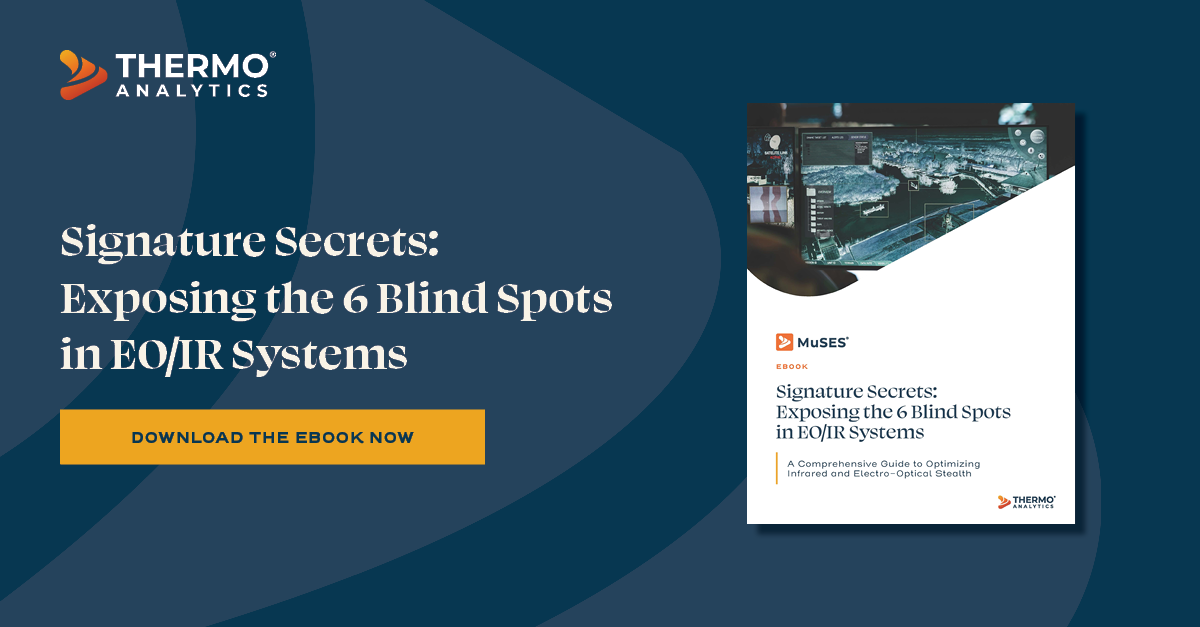
Discover the Hidden Risks in EO/IR Signature Management Modern battlefields are defined by what sensors can see—and what they can’t. As EO/IR detection technology becomes more advanced and accessible, even small oversights in signature management can compromise entire missions. In this eBook, Signature Secrets: Exposing the 6 Blind Spots in EO/IR Systems, ThermoAnalytics reveals the most … Read more