
On-Demand Webinar
Training robust machine learning algorithms for defense applications often requires vast amounts of accurately labeled real-world data. However, this data can be expensive and time-consuming to obtain, especially for non-visible wavebands. Synthetic target simulation offers a powerful alternative for generating large and diverse image datasets for training.
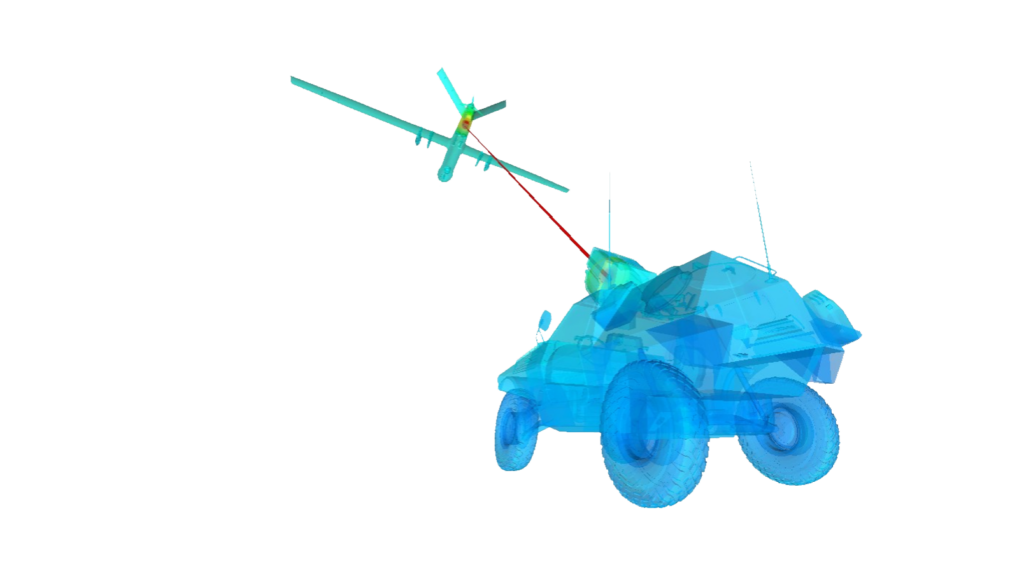
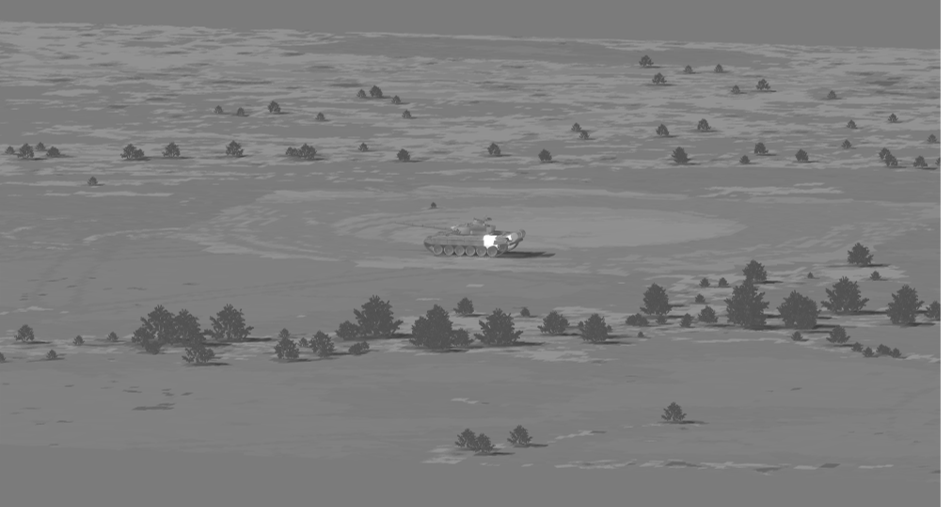
In this session, we explored how MuSES (Multi-Service Electro-Optic Signature) provides unparalleled accuracy in simulating ground vehicles, manned and autonomous fixed-wing and rotary aircraft, watercraft, human personnel, and other high-fidelity targets in realistic operational environments. Specifically, we walked through its capabilities for realistic environmental modeling, detailed thermal-electrical modeling, human modeling, signature management, and automatic target detection and recognition.
We also demonstrated how to integrate AI/ML techniques with synthetic target simulation to create large training datasets with the desired level of detail, resolution, and variation. This approach draws from an extensive database of 3D target models with accurate geometric features, optical surface properties, and internal heat sources.
Key Takeaways
- Realistic Environmental Modeling: Simulate battlefield conditions. This includes solar loading, atmospheric effects, and terrain interaction.
- Detailed Thermal-Electrical Modeling: Incorporate electronic heat sources and coupled battery and photovoltaic power systems. Phase change materials and other sophisticated target details are also included.
- Human Modeling: Include thermoregulating humans with realistic poses and clothing in scenes.
- Signature Management: Explore how optical surface properties and thermal management systems affect target detectability. This is especially useful in cluttered scenes.
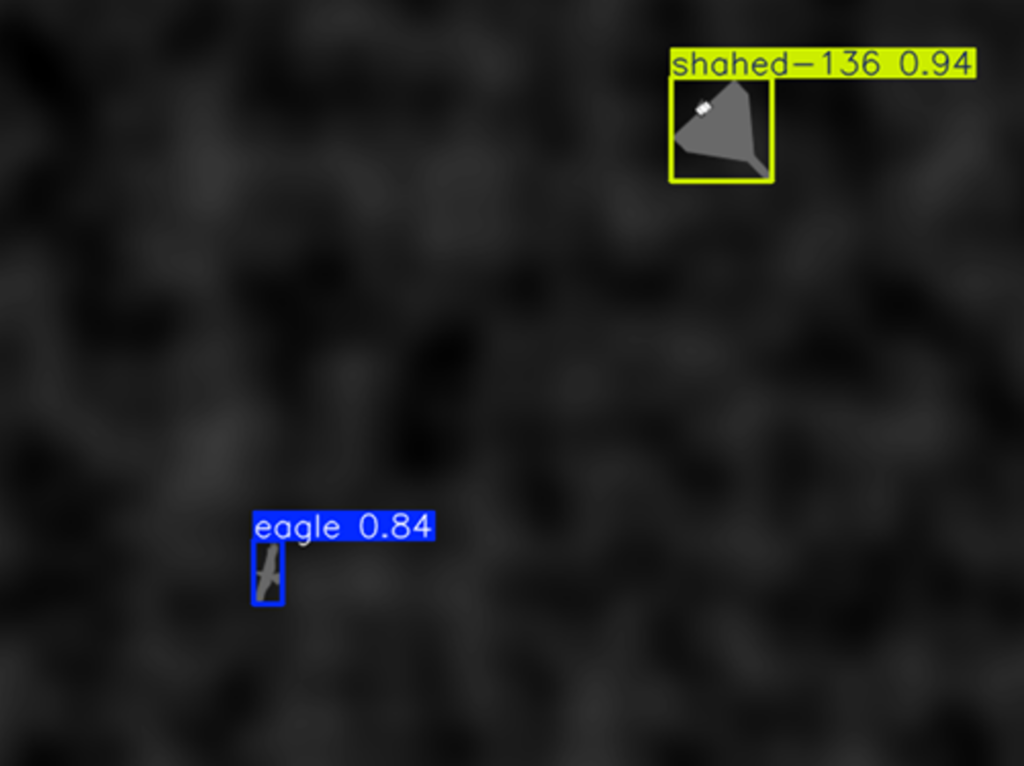
- Automatic Target Detection/Recognition: Investigate how effectively AI/ML algorithms detect and recognize embedded targets. In addition, see how key variables impact performance.
Who Should Watch
- Defense Engineers and Researchers working on ISTAR (intelligence, surveillance, target acquisition, and reconnaissance) efforts.
- Data Scientists and Image Analysts supporting vehicle system development and evaluation.
- Program Managers focused on soldier vulnerability and mission planning. This also includes search and rescue operations and automated security applications.
Presenters
Eli Datema
Thermal/CFD Engineer
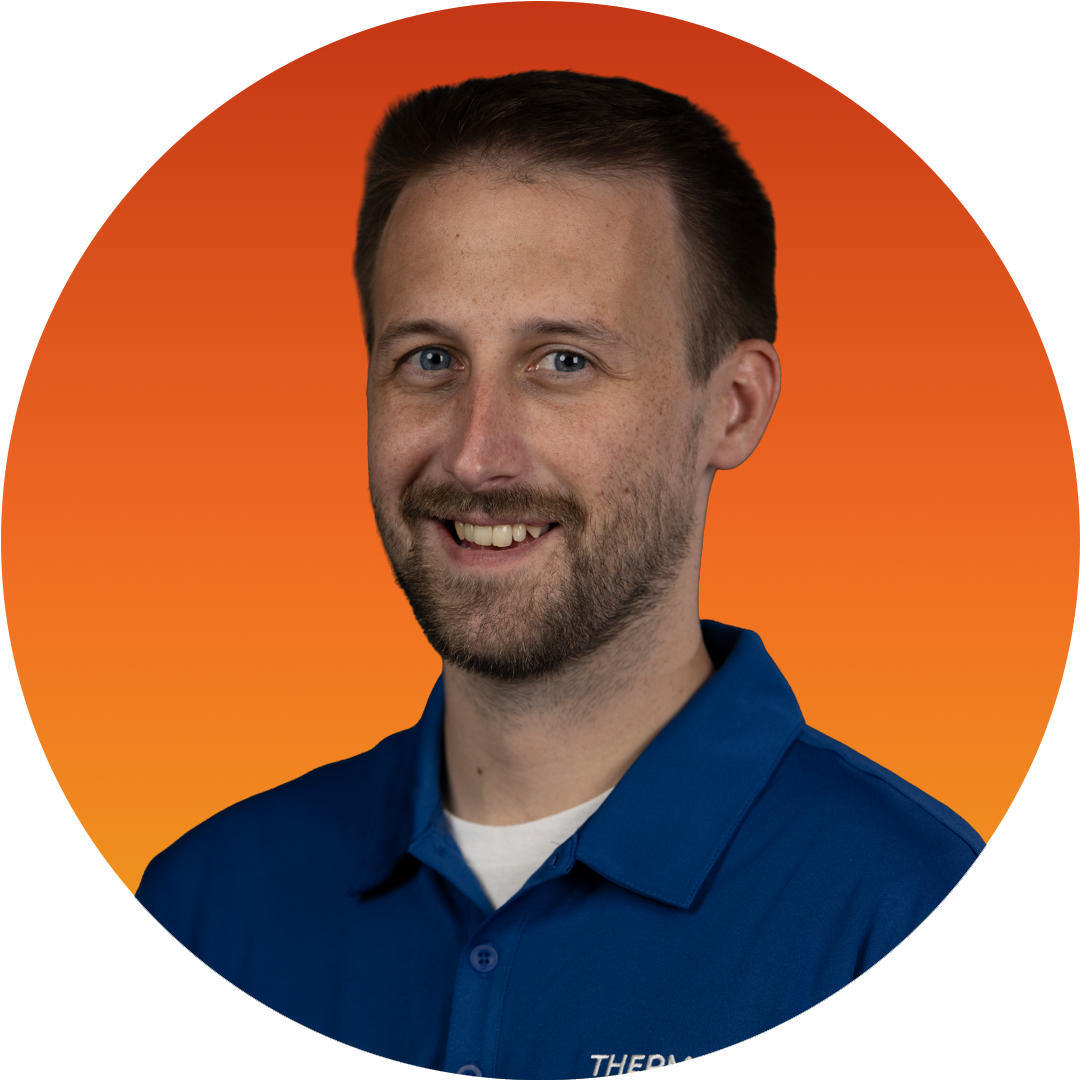
Jacob Hendrickson
Thermal/CFD Engineer