
On Demand Webinar
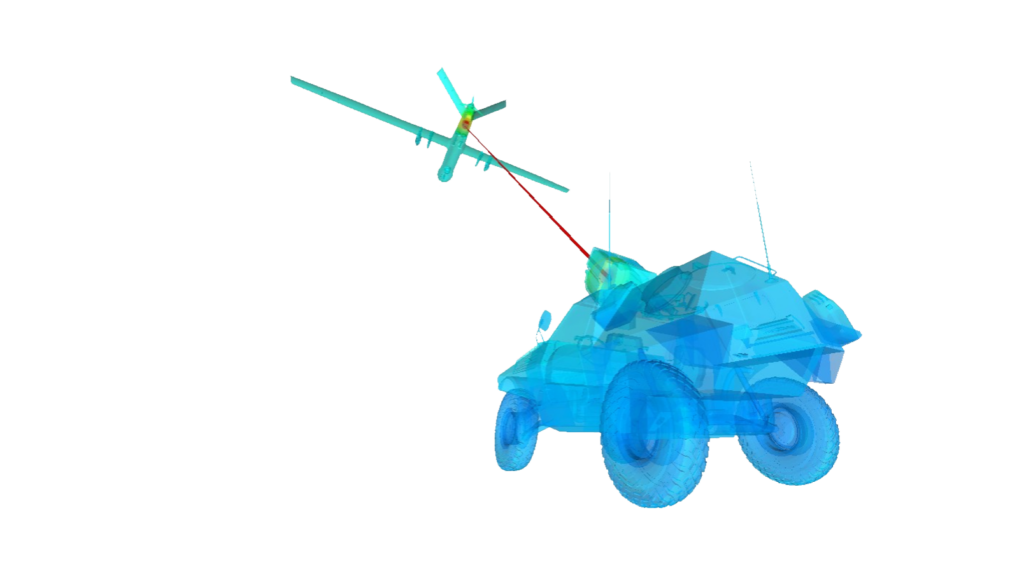
In the thermal IR wavebands (MWIR and LWIR), acquiring large, high-quality datasets can be difficult. This is especially true for adversarial targets. Synthetic UAV detection offers a powerful alternative to real-world data collection. This webinar explored how synthetic thermal infrared imagery can dramatically improve deep learning performance for detecting and recognizing unmanned aerial vehicles (UAVs).
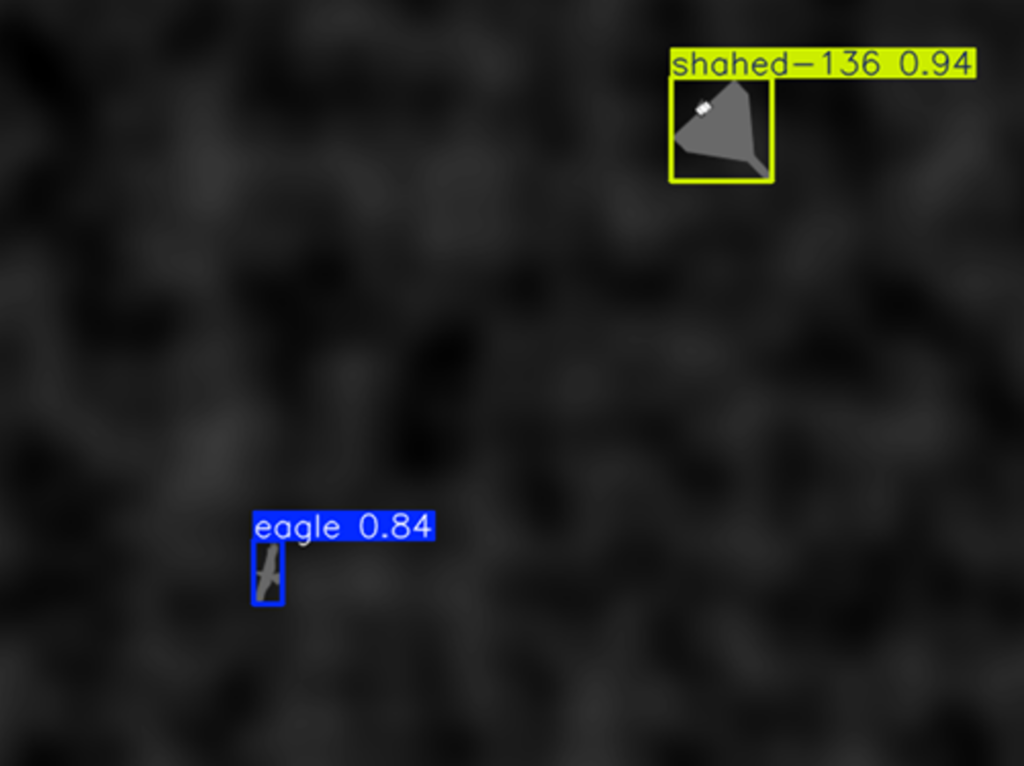
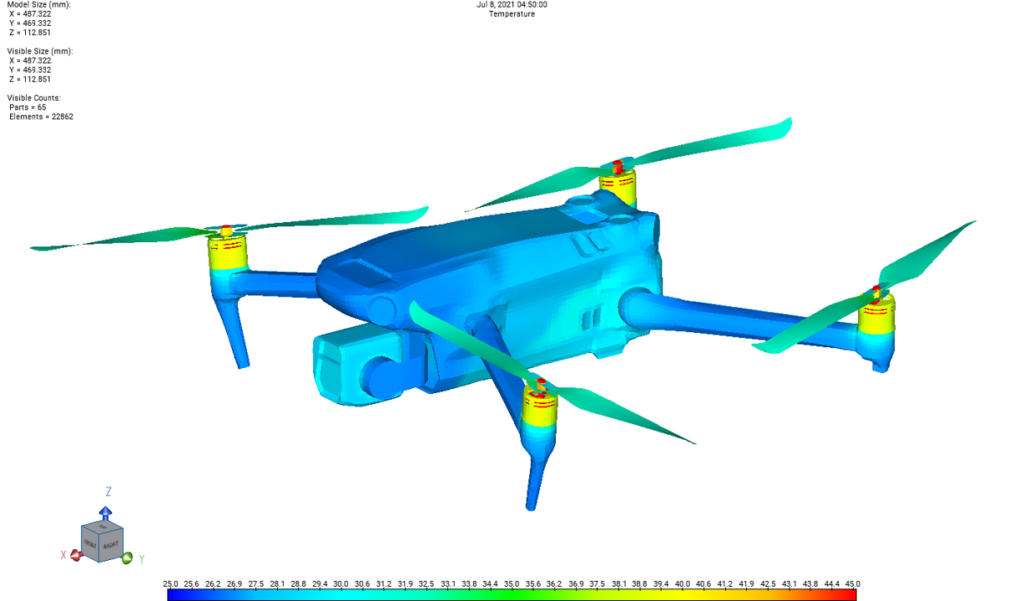
We highlighted how physics-based simulation tools like MuSES and CoTherm generate realistic, diverse datasets of commercial and military UAVs. These datasets span varying weather conditions, times of day, and sensor perspectives. In addition, we discussed the automated generation of these synthetic datasets and demonstrated their impact on training a YOLO (“You Only Look Once”) deep learning model. As a result, we were able to analyze performance across real and synthetic imagery, examining how variables like background conditions and resolution affect detection and recognition accuracy.
What You’ll Learn
- Challenges of training deep learning models in thermal IR.
- How to simulate realistic UAV thermal signatures with MuSES.
- Automation of dataset generation and image processing with CoTherm.
- Comparative performance of YOLO on real vs. synthetic IR imagery.
Who Should Watch
Engineers, data scientists, researchers, and defense technologists working with thermal imaging, machine learning, or UAV detection.
Presenters

Logan Canull
Thermal / CFD Engineer

J. Weston Early
Thermal / CFD Engineer